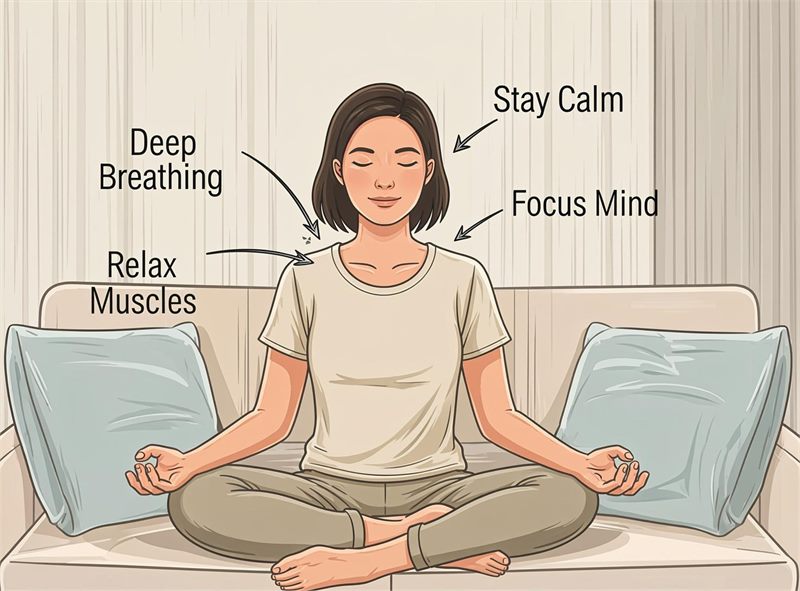
Find your calm
The truth is, stress doesn't disappear just because we ignore it. But the good news is this: you don't need a perfect life to manage stress better. What you need are small, realistic changes that fit into real life.
This guide isn't about "fixing everything." It's about learning how to handle stress in a way that actually works day to day.
What Stress Really Is (In Simple Words)
Stress is your body's response to pressure. It's a natural reaction when something feels demanding, uncertain, or overwhelming. In short bursts, stress can even be helpful—it can push you to focus or take action.
The problem starts when stress sticks around for too long. Long-term stress can slowly affect your mood, patience, and energy levels.
Key Point
When stress becomes constant, it stops being useful and starts becoming harmful.
Why Managing Stress Is So Important
Many people think stress is just "part of life" and something you have to live with. While stress is normal, living in a constant stressed state is not healthy.
Unchecked stress can:
- Make small problems feel huge
- Affect relationships and communication
- Reduce productivity at work or home
- Push people toward unhealthy habits
Learning to manage stress isn't about avoiding responsibility. It's about protecting your mental and physical health so you can handle life better.
Step One: Notice What's Actually Stressing You

Identify your triggers
- Overcommitting
- Poor sleep
- Constant worrying
- Avoiding difficult tasks
- Trying to please everyone
A simple way to start:
Ask yourself, "When do I feel most tense during the day?"
Pay attention to patterns. Over time, you'll notice where your stress really comes from—and that awareness alone can be powerful.
Unhealthy Ways People Often Cope (Without Realizing)
Many stress habits happen automatically. They feel helpful in the moment, but usually make things worse later.
Common Examples
- Endless scrolling on the phone
- Overeating or skipping meals
- Isolating from people
- Procrastinating important tasks
- Using substances to relax
There's no shame in this—most people do it. But replacing these habits with healthier ones can make a huge difference over time.
Realistic Ways to Manage Stress That Actually Help

Small steps matter
1
Move Your Body (Even a Little)
You don't need a gym or a workout plan. Movement helps release built-up tension and clears the mind.
- A short walk
- Light stretching
- Cleaning your space
2
Breathe Like You Mean It
When stress hits, breathing often becomes shallow without us noticing. Slowing your breath sends a calming signal to your nervous system.
- Inhale slowly through your nose
- Exhale longer than you inhale
3
Protect Your Sleep
Stress and poor sleep feed each other. You don't need perfect sleep, just better sleep habits like avoiding screens before bed.
4
Eat in a Way That Supports You
Food won't solve stress, but it can make it easier or harder to cope. Skipping meals or relying only on junk food often increases irritability and fatigue.
5
Reduce Mental Noise
Constant news, notifications, and social media can quietly increase stress levels. Allow quiet moments in your day.
6
Talk to Someone You Trust

Connection helps
7
Write Things Down
Writing is a simple way to unload your thoughts. It doesn't need to be neat or organized. Just write what's on your mind.
8
Be Kinder to Yourself
When stressed, people often become self-critical. Remind yourself: You're doing the best you can. Progress doesn't have to be perfect.
9
Keep a Simple Routine
When life feels chaotic, routines provide a sense of control. Even basic routines like regular meals or a morning walk can make stress feel more manageable.
10
Know When Extra Help Is Needed
If stress becomes constant, overwhelming, or starts affecting daily functioning, seeking professional support is a healthy step. Support exists for a reason—you don't have to handle everything alone.
A Simple Daily Stress Plan
Stress management works best as a set of small daily habits rather than something you only do when you're overwhelmed. Try building this simple routine into your day:
- Morning: avoid checking your phone for the first few minutes. Drink water, stretch, and decide on the one most important task for the day.
- During work or study: take short breaks every hour. Stand up, breathe slowly, and look away from screens.
- Midday: eat a proper lunch away from your desk and, if possible, get outside for a short walk.
- Afternoon: when stress builds, try box breathing: breathe in for four counts, hold for four, out for four, hold for four, and repeat a few times.
- Evening: write down tomorrow's tasks so your mind doesn't keep replaying them. Do something you enjoy, even briefly.
- Bedtime: keep a regular sleep time, dim the lights, and put devices away 30 to 60 minutes before sleep.
Don't try to adopt everything at once. Pick one or two habits, practise them for a couple of weeks, and add more as they become natural.
If stress feels constant, affects your sleep, appetite, or relationships, or leads to thoughts of harming yourself, please speak to a doctor or a qualified mental health professional, or contact a local crisis helpline. Support is available, and reaching out is a sign of strength.
Final Thoughts

Peace is possible
Start with one thing. Keep it simple. Build slowly. Over time, stress becomes easier to recognize—and easier to manage.
Health Disclaimer
This content is provided for general informational purposes only and is not intended as medical or mental health advice. Stress affects individuals differently. If you experience severe, ongoing, or worsening stress symptoms, please consult a qualified healthcare or mental health professional for personalized guidance.