
Healthy approach to weight loss
The smarter approach is to lose fat quickly while protecting your energy, muscles, and long-term health. This guide explains how to do exactly that — step by step — in a way real people can actually follow.
What "Fast" Weight Loss Really Means
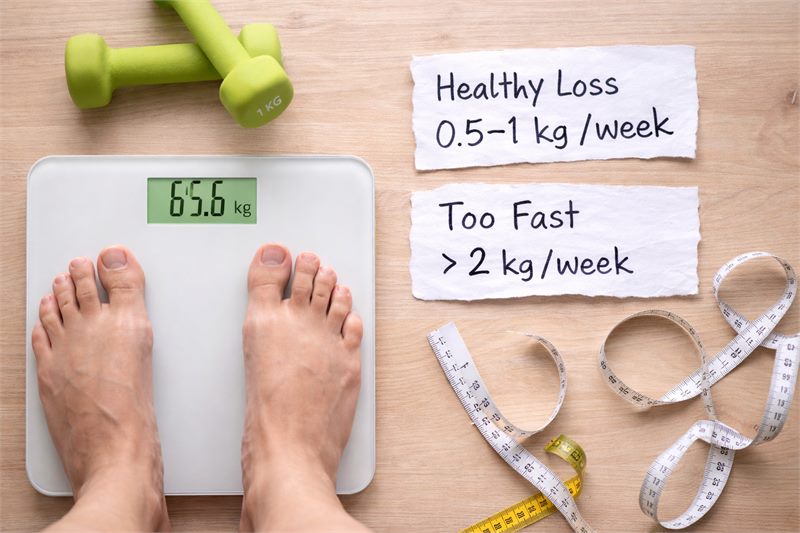
Track your progress wisely
Recommended Rate
0.5 to 1 kg (1–2 lbs) per week
Important
Trying to lose more than this usually backfires.
1
Set a Realistic and Personal Goal
Avoid chasing an "ideal" number. Instead, ask:
- At what weight did I feel energetic and comfortable before?
- Can I reach this goal without extreme restriction?
Key Insight
Fast weight loss works best when the goal feels achievable, not punishing. Small wins build momentum.
2
Create a Gentle Calorie Deficit
Weight loss happens when you consume fewer calories than your body uses — but how you do this matters.
Instead of cutting meals:
- Reduce portion sizes slightly
- Remove empty calories (sugary drinks, frequent snacks)
- Focus on filling foods
Important
Starving slows metabolism and increases cravings. A controlled deficit keeps fat loss steady.
3
Build Meals That Keep You Full
Focus on Protein at Every Meal. Protein helps you feel full longer, reduce cravings, and protect muscle while losing fat. Good options include eggs, fish, chicken, lentils, beans, yogurt, tofu, or dairy.
Increase Fiber-Rich Foods. Fiber slows digestion and naturally controls appetite. Add vegetables, fruits, whole grains, and legumes.
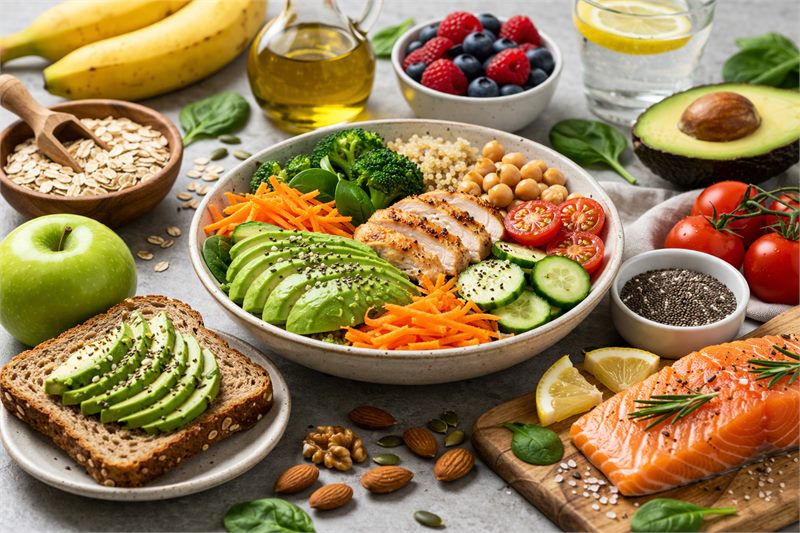
Focus on whole foods
Reduce Refined Carbohydrates. Highly processed carbs digest quickly and trigger hunger soon after eating. Limit white bread, sugary cereals, pastries, and packaged snacks.
4
Control Portions Without Giving Up Foods
You don't need to ban foods. You need portion awareness.
Helpful habits:
- Use smaller plates
- Eat slowly and stop when comfortably full
- Pre-portion snacks instead of eating from the pack
- Fill half your plate with vegetables
5
Drink Smarter
Liquid calories add up quickly and don't satisfy hunger. Best choices include water, unsweetened tea, and black coffee.
Simple Habit
Drink water before meals — it often reduces how much you eat naturally.
6
Move Your Body Consistently

Stay active daily
Bodyweight exercises help burn more calories at rest, shape your body, and prevent muscle loss.
7
Use Short, Intense Efforts When Possible
If your body allows, short bursts of higher-intensity movement can accelerate fat loss. Examples include fast walking mixed with slow walking, short uphill walks, or quick bodyweight circuits.
8
Sleep and Stress Are Non-Negotiable
Many people eat perfectly and exercise daily but still struggle because of poor sleep and high stress. Lack of sleep increases hunger hormones and cravings.
Aim for:
- 7–8 hours of sleep
- Simple stress-relief habits (walking, stretching, breathing)
A Simple Daily Weight Loss Routine
Morning
- Drink water
- Eat a protein-based breakfast
Afternoon
- Balanced lunch with vegetables
- Stay lightly active
Evening
- Lighter dinner
- Avoid late-night snacking
Common Mistakes That Slow Weight Loss
Avoid These
- Skipping meals
- Extreme "quick-fix" diets
- Drinking calories
- Expecting instant results
- Ignoring sleep and stress
Build Habits That Keep the Weight Off
Losing weight is one challenge; keeping it off is another. Many people regain weight after strict diets because the changes were too extreme to maintain. Sustainable habits work better over the long term.
- Plan meals ahead: deciding what you'll eat for the week reduces impulse snacking and takeaway orders. Our guide on planning weekly meals shows how.
- Fill half your plate with vegetables: they add volume, fibre, and nutrients with few calories, helping you feel full.
- Include protein at each meal: foods like eggs, beans, lentils, fish, chicken, and yogurt help control hunger.
- Drink water: thirst is sometimes mistaken for hunger, and swapping sugary drinks for water cuts calories easily.
- Eat slowly and mindfully: it takes time for your body to register fullness. Put your fork down between bites and avoid eating in front of screens.
- Move every day: walking, cycling, taking the stairs, and active hobbies add up, alongside regular exercise sessions.
- Sleep well and manage stress: poor sleep and stress can increase appetite and cravings.
- Track progress gently: weigh yourself once a week at the same time, and also notice how clothes fit and how you feel.
Expect plateaus. Weight loss is rarely a straight line, and weeks with little change are normal. Stay consistent rather than cutting calories further.
Before making major changes to your diet or starting a new exercise programme, especially if you have a medical condition, take medication, or have a lot of weight to lose, talk to a doctor or registered dietitian. They can help you set safe, realistic goals and spot any underlying health issues.
Remember that your health is more than a number on the scale. Better energy, improved sleep, stronger fitness, and a more positive relationship with food are all real signs of progress. Celebrate those wins, and be kind to yourself on harder days.
Final Thoughts
Losing weight fast doesn't require suffering. It requires smart food choices, regular movement, proper rest, and realistic goals. When your habits support your body, fat loss follows naturally — and stays off.
Health Disclaimer
This content is provided for general informational purposes only and is not intended as medical or nutritional advice. Weight loss affects individuals differently based on age, gender, health conditions, and other factors. If you have pre-existing health conditions, are pregnant or breastfeeding, or are taking medication, please consult with a qualified healthcare professional before making significant changes to your diet or exercise routine.