
Understanding loan repayment stress
Repaying loans faster is not about extreme sacrifices or clever tricks. It's about understanding where your money actually goes and making small, intentional changes that slowly shift control back to you.
This guide focuses on realistic actions, not shortcuts, and explains why each step works, so readers can decide what actually fits their situation.
Why Loan Repayment Feels Slow (And Why That's Normal)
When a loan begins, most of your payment goes toward interest, not the amount you borrowed. This is why early payments feel useless. You might pay for months and see very little reduction in the balance.
This isn't a mistake — it's how loan structures are built. Interest is calculated on the remaining balance, and lenders collect most of it early in the loan term. If nothing changes, this pattern continues until the loan naturally ends.
Paying a loan faster means interrupting this pattern, even slightly.
1 Get Honest About Your Loans
Before doing anything else, people need clarity. Guessing or "roughly knowing" loan details leads to bad decisions.
Write down:
- The exact balance remaining
- The interest rate
- The required monthly payment
- How long the loan has left
- Whether extra payments are allowed
Seeing everything on paper often changes perspective. Some loans cost far more in interest than people realize, while others are less urgent.
Key Insight
Clarity reduces anxiety and helps you choose the right strategy instead of reacting emotionally.
2 Understand Where Extra Payments Actually Go

Check where extra money goes
In some cases, extra money:
- Is treated as an early payment for the next month
- Reduces future required payments but not interest
- Sits as unused credit
To repay faster, extra money must reduce the principal balance, not just move due dates around. This single detail can make the difference between progress and wasted effort.
Important
Checking this once can save years.
3 Pick One Loan to Attack First
Trying to speed up all loans at once usually fails. It spreads effort too thin and makes progress invisible.
Choose one loan to focus on. People usually pick based on:
Higher Interest
To reduce long-term cost
Smaller Balance
To finish sooner and feel progress
There's no universal right answer. What matters is focus. Continue paying the required amount on other loans and direct all extra money to the chosen one.
Remember
Momentum matters more than perfection.
4 Change How Often You Pay, Not Just How Much
Interest grows over time. The longer money sits unpaid, the more interest it produces.
When payments are made monthly, interest has more time to accumulate. When payments are split into smaller, more frequent amounts, interest has less time to grow.
Even without increasing the total amount paid, paying more often can shorten the loan slightly. Over years, that adds up.
Key Point
This approach works quietly, without requiring lifestyle changes.
5 Add Small, Sustainable Extra Amounts
Large extra payments sound motivating, but they often don't last.
A better approach is adding a small amount that feels almost boring:
- An extra fixed amount each payment
- Something you can afford even on bad months
- Automated so it doesn't require willpower
Small, consistent reductions in principal quietly weaken the loan over time. This is how people succeed without burning out.
6 Use Unexpected Money With Intention
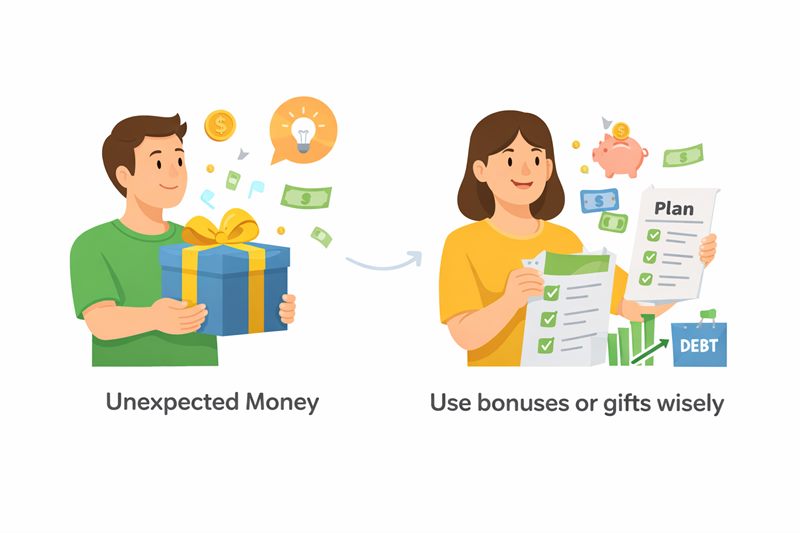
Use bonuses or gifts wisely
This includes:
- Tax refunds
- Bonuses
- Gifts
- Seasonal income
Deciding beforehand how much of this money will go toward loans removes temptation. Even one intentional extra payment per year can remove months of repayment time.
Pro Tip
This approach works because it doesn't affect daily living.
7 Increase Income Only If It's Temporary and Purposeful
Earning extra money helps only when it has a clear goal.
Taking on short-term work or selling unused items works best when:
- The money is immediately applied to loans
- It's not absorbed into regular spending
- It's time-limited to avoid burnout
This isn't about working endlessly. It's about short bursts that create noticeable progress.
8 Cut Expenses Without Making Life Miserable
Extreme budgeting often fails because it makes people quit.
Instead of cutting everything, focus on:
- Subscriptions you don't fully use
- Convenience spending that adds up
- Temporary lifestyle adjustments
The goal is not punishment. It's freeing enough money to consistently reduce debt without resentment.
Remember
Comfortable consistency beats aggressive discipline.
9 Be Careful With Refinancing Decisions
Refinancing can help, but it can also quietly extend debt.
Lower monthly payments feel good, but they often:
- Increase total interest
- Reset loan timelines
- Delay financial freedom
Refinancing should only be considered if it clearly shortens repayment or significantly lowers interest without extending the term.
Caution
Otherwise, it creates the illusion of progress without real benefit.
10 Protect Yourself From New Debt
Repaying loans faster while adding new debt cancels progress.
Before accelerating payments:
- Keep a basic emergency buffer
- Avoid using credit for regular expenses
- Stabilize income and essentials
This prevents setbacks that force people to undo progress.
11 Review Progress Without Obsessing
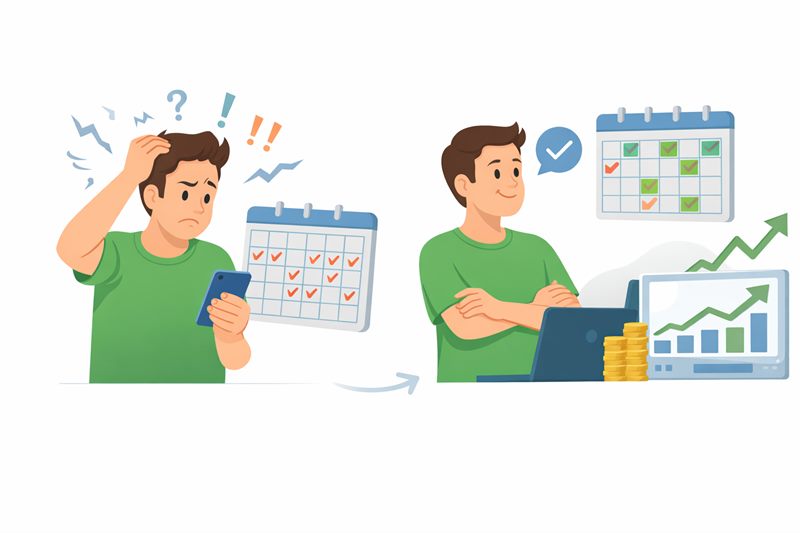
Track your progress consistently
Once a month is enough to:
- Confirm payments were applied correctly
- Adjust extra amounts if income changes
- See real progress over time
Progress becomes motivating when it's visible but not overwhelming.
Final Thoughts
Loan repayment isn't about dramatic gestures or complex calculations. It's about small, consistent actions that gradually shift the balance of power back to you.
The strategies in this guide work because they acknowledge human nature — our need for visible progress, our tendency to burn out on extreme measures, and our tendency to lose motivation when results aren't immediate.
Remember
The best repayment plan is the one you can stick with long enough to see results.