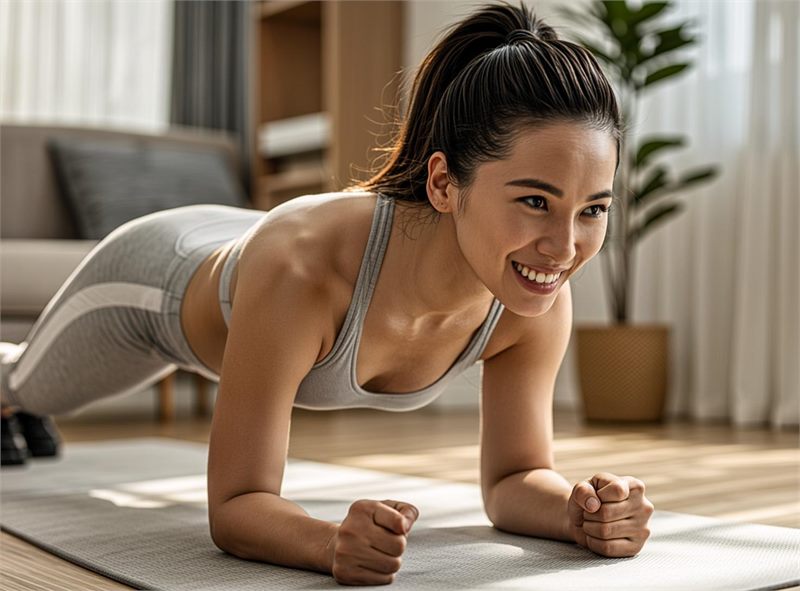
Simple exercises at home
People start with motivation, follow random routines, push too hard, feel sore, skip days, and eventually stop. Then they assume home workouts aren't effective.
The truth is, home workouts work extremely well when they're done with a clear plan and reasonable expectations. This guide is written to help you do exactly that—without gym equipment, complicated routines, or pressure.
What Home Workouts Actually Mean
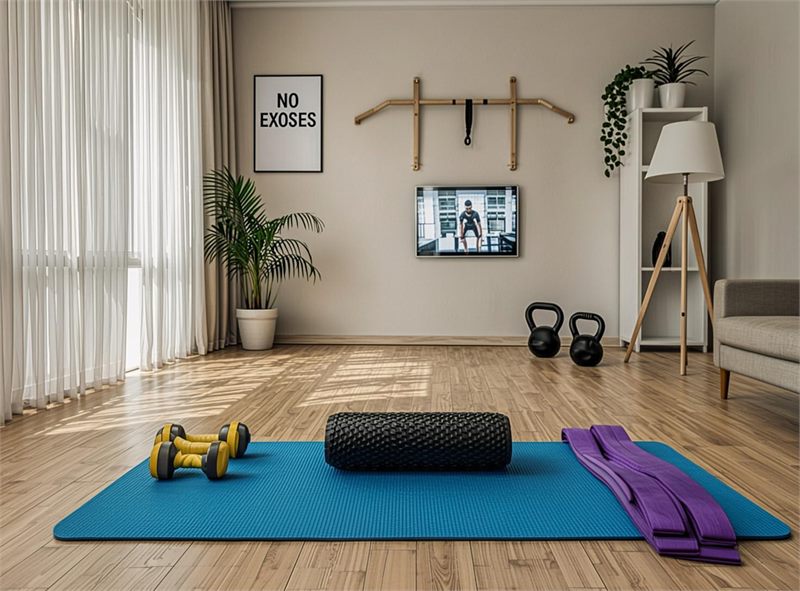
Any space can work
Key Insight
You don't need perfect conditions. You just need consistency and a basic structure.
Start With One Clear Goal
Before you think about exercises, decide what you want most right now. Ask yourself honestly:
- Do I want to lose weight?
- Do I want to feel stronger?
- Do I want more energy and flexibility?
- Do I just want to be active again?
Important
Choose one main goal. Trying to chase everything at once usually leads to confusion and quitting.
Pick a Workout Time You Can Maintain
The "best" workout time is not morning or evening—it's the time you can repeat regularly. That might be 20 minutes after waking up, a short session before dinner, or a fixed time on alternate days.
Helpful Tip
A short, repeatable routine beats long workouts done once a week.
How Often Should You Work Out at Home?
You don't need daily workouts to see results. A realistic schedule looks like 3 to 4 workout days per week, with rest or light movement on other days. This gives your body time to recover and reduces the risk of injury or burnout.
Always Warm Up First

Proper warm-up is essential
A Simple Home Workout Example
If you're thinking, "I understand the plan, but what should I actually do?", start here. This beginner-friendly routine requires no equipment and works the full body. Do it 3 times a week.
Beginner Home Workout Routine
Bodyweight squats
10 to 15 repetitions
Helps strengthen legs and improve balance.
Wall or knee push-ups
8 to 12 repetitions
Builds upper-body strength in a safe way.
Standing lunges
6 to 10 repetitions per leg
Improves leg strength and coordination.
Plank hold
20 to 30 seconds
Strengthens core muscles and posture.
Rest for 30–60 seconds between movements. Move slowly and focus on control, not speed. If something feels painful (not just challenging), stop and rest.
Focus on Full-Body Movement

Engage your whole body
Progress Slowly and Naturally
Progress doesn't mean pushing harder every day. Real progress can be doing one extra repetition, holding positions a little longer, taking shorter rest breaks, or feeling more controlled and confident.
Important
Avoid comparing yourself to online videos. Compare yourself to where you started.
Don't Ignore Recovery
Your body improves during rest, not just exercise. Good recovery includes proper sleep, drinking enough water, light stretching, and rest days. If you feel constantly exhausted, your routine needs adjustment—not more effort.
Create a Simple Space at Home
You don't need a dedicated workout room. You only need enough space to move safely, comfortable clothes, and fewer distractions. Even a small area can work when you're consistent.
Common Home Workout Mistakes
Many people struggle because they try to do too much too soon, follow random routines every day, skip warm-ups, or quit after missing a few sessions.
Key Insight
Missing a day doesn't mean failure. Stopping completely does.
Do Home Workouts Really Work?

Consistency brings results
Final Thoughts
Home workouts aren't about perfection or motivation. They're about building a habit that fits your life. Start small. Stay consistent. Adjust when needed. You don't need the "perfect" routine—you need one you can keep doing. That's how real results happen.
Health Disclaimer
This content is provided for general informational purposes only and is not intended as medical or fitness advice. Exercise programs should be tailored to individual health conditions and fitness levels. If you have pre-existing health conditions, injuries, or concerns about starting a new exercise program, please consult with a qualified healthcare professional before beginning any workout routine.