
Understanding Cryptocurrency Before Investing
Before putting money into any cryptocurrency, it's worth understanding what you're actually buying. Many beginners skip this step, and that's where problems usually start.
Cryptocurrencies run on blockchain technology. Instead of a central bank or company controlling transactions, records are stored across a network of computers. This setup makes transactions harder to manipulate, but it also means there's no customer support line if something goes wrong.
Some cryptocurrencies are built mainly to store value, while others exist to power applications, payments, or entire digital ecosystems. That difference matters because it affects how and why people use them. Coins with real use cases tend to survive longer than those built only on trends.
Choosing a Reliable Cryptocurrency Platform
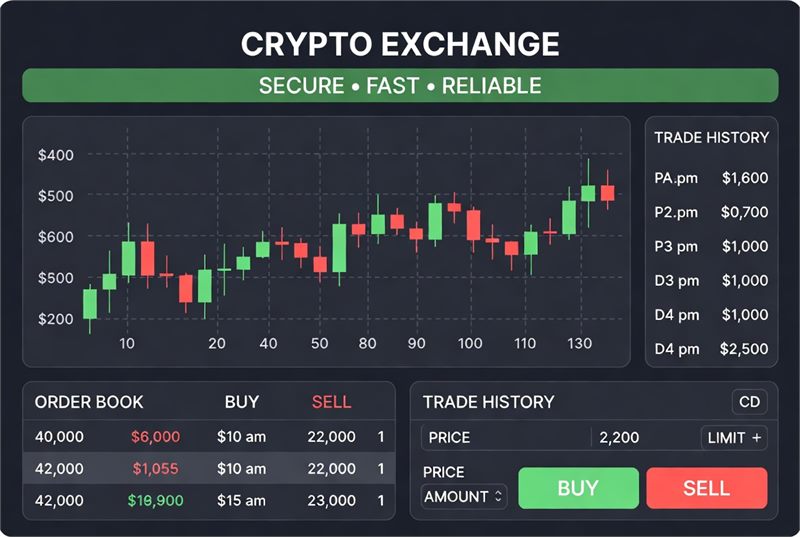
Buying crypto usually starts with an exchange. This is where people convert regular money into digital coins.
Not all platforms are equal. Some focus on simplicity, others on advanced trading. A reliable platform should have basic things in place: strong security, clear policies, and a history of operating without major issues.
Well-known platforms that many beginners recognize include:
Deciding Which Cryptocurrency to Invest In
This is where emotions often take over. People hear about a coin that recently went up in price and feel they're already late. That mindset causes rushed decisions.
A better approach is to slow down and look at a few basic things:
- Does the project have a clear purpose?
- Is there an active community or development team?
- Has it survived previous market downturns?
Bitcoin and Ethereum are often starting points because they're widely used and understood. Other cryptocurrencies like Cardano, Polkadot, Litecoin, or Binance Coin focus on specific functions such as scalability, smart contracts, or transaction efficiency.
| Cryptocurrency | Primary Purpose |
|---|---|
| Bitcoin | Digital store of value, digital gold |
| Ethereum | Smart contracts, decentralized applications |
| Cardano | Sustainable blockchain platform |
| Polkadot | Interoperability between blockchains |
| Litecoin | Fast, low-cost payments |
| Binance Coin | Utility token for Binance ecosystem |
Coins that exist mainly for jokes or short-term hype can rise quickly, but they can fall just as fast. Some people profit from them, but many others enter too late.
Spreading Risk When Investing in Crypto
Putting all your money into one cryptocurrency is rarely a good idea. Prices move unpredictably, and even strong projects can lose value for long periods.
Diversification helps manage that risk. Instead of betting everything on a single coin, investors often spread funds across a few different assets. This doesn't guarantee profit, but it reduces the impact if one investment performs poorly.

Taking a Long-Term Approach to Crypto Investing
Crypto markets are known for sharp ups and downs. Prices can rise or fall dramatically within days. New investors often panic during drops and sell at a loss, only to see prices recover later.
Long-term investing focuses less on daily price movements and more on overall growth over time. Many experienced investors hold their assets through market cycles instead of reacting to every fluctuation.
This doesn't mean ignoring reality. It means accepting that volatility is part of the space and planning accordingly. Investing money you might need soon usually leads to stress and poor decisions.
Understanding the Risks Involved
Cryptocurrency investing carries real risks, and ignoring them doesn't make them disappear.
Prices can drop suddenly. Platforms can face technical issues. Wallets can be lost if recovery details aren't saved properly. There's also limited regulation compared to traditional finance, which means fewer safety nets.
Keeping Your Cryptocurrency Secure
Security is one area where personal responsibility matters a lot.
Most investors store their crypto in wallets. These can be software-based or hardware devices. Each option has trade-offs between convenience and security.
Basic safety habits make a big difference:
- Never share private keys or recovery phrases
- Use two-factor authentication
- Avoid logging in on public or shared devices
- Keep backup information offline

Deciding If Cryptocurrency Is Right for You
Crypto investing isn't for everyone, and that's okay. Some people prefer stable, traditional investments. Others enjoy learning new systems and can tolerate uncertainty.
If you're curious, willing to learn, and patient with results, crypto can be part of a broader investment strategy. If you're looking for fast returns with no risk, it will likely be disappointing.
Taking time to understand the space before investing often makes the difference between a stressful experience and a manageable one.
Final Thoughts
- Research and understand the basics of blockchain technology
- Choose a reputable cryptocurrency exchange with strong security
- Start with well-established cryptocurrencies like Bitcoin or Ethereum
- Only invest money you can afford to lose
- Set up secure storage for your cryptocurrency
- Commit to a long-term perspective and avoid emotional decisions