Saving money fast is not about becoming extreme or cutting joy out of your life. It's about making quick, smart decisions that immediately stop money from slipping away.
Most people don't struggle because they earn too little — they struggle because money leaks quietly and constantly. This guide focuses on stopping those leaks first, then building momentum without stress.
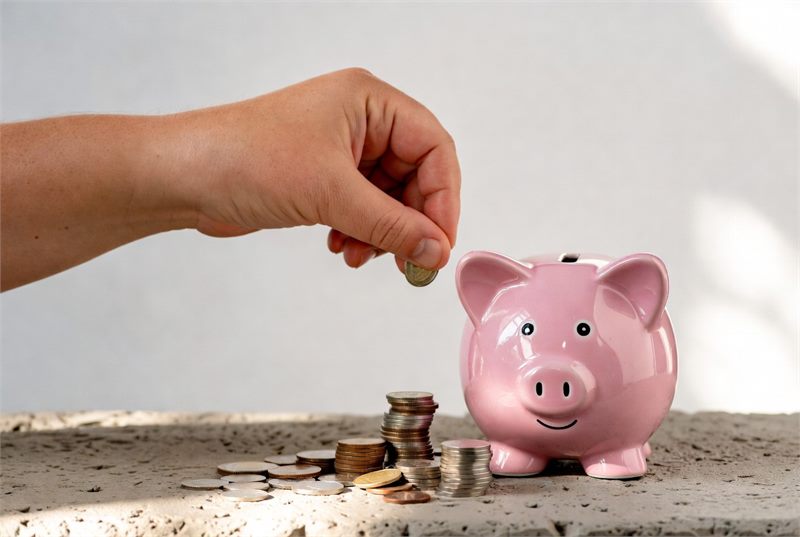
Why Learning How to Save Money Fast Matters
Saving quickly gives you control. Unexpected expenses don't wait for permission. Medical bills, repairs, family needs, or sudden income changes can shake your finances overnight. When you have even a small savings buffer, you avoid panic decisions like high-interest loans or credit card debt.
Fast savings also help with:
Paying off urgent bills
Handle unexpected expenses without stress
Preparing for short-term goals
Build funds for upcoming purchases
Reducing paycheck-to-paycheck pressure
Create financial breathing room
Gaining mental peace
Reduce financial anxiety and stress
Saving fast is less about sacrifice and more about relief.
Step-by-Step Guide
- Avoid impulse purchases
- Skip online shopping "just browsing"
- Say no to non-essential spending
- Subscriptions you rarely use
- Convenience food and delivery fees
- Frequent small purchases
- Automatic renewals you forgot about
- Cook once, eat multiple times
- Keep simple backup meals ready
- Shop with a list
- Avoid shopping when hungry
- Wait two days before buying non-essential items
- Most urges disappear on their own
- Delayed spending often becomes canceled spending
- Create instant savings
- Reset habits
- Make you more aware of choices
- Move a fixed amount aside immediately
- Treat savings like a bill, not leftovers
- Even small automatic transfers build momentum
- Sell unused items
- Pause services temporarily
- Borrow instead of buying
- Phone and internet plans
- Insurance costs
- Loan interest rates
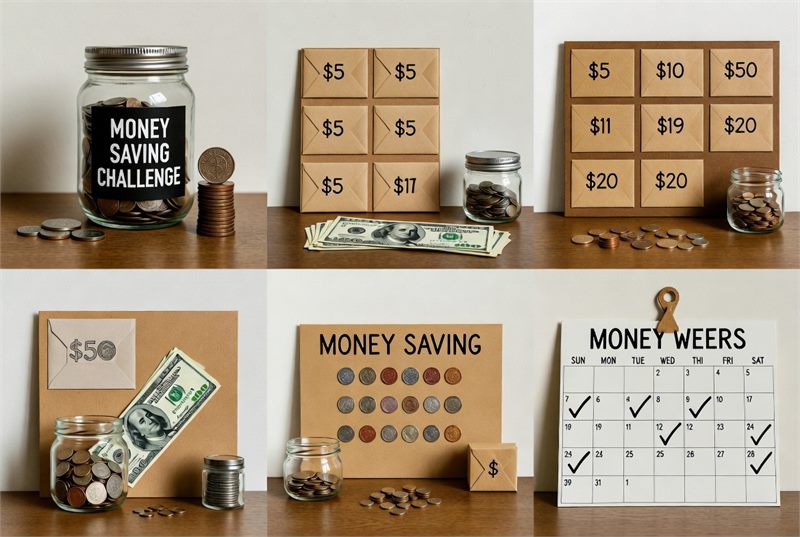
Fast Money-Saving Challenges That Work
The 7-Day Spending Reset
Spend only on essentials for one week. Redirect everything else to savings.
Great for breaking habits and creating immediate savings
The 30-Day No-Spend Challenge
No non-essential spending for one month. Great for breaking habits and saving fast.
Builds discipline and creates significant savings
The 52-Week Saving Challenge
Save a small amount weekly that increases gradually. It builds discipline without pressure.
Creates a substantial fund over time with minimal effort
Challenges work because they turn saving into a clear, time-limited goal.
Common Mistakes That Slow Saving
| Mistake | Why It Fails |
|---|---|
| Cutting everything | Leads to burnout |
| Being too strict | Causes rebound spending |
| Ignoring food costs | Misses fast wins |
| Waiting to "feel ready" | Delays progress |
| Trying to be perfect | Causes quitting |
Saving should feel lighter, not heavier.
How to Keep Saving After the Fast Wins
Fast savings are a starting point, not the end. To maintain progress:
- Keep at least one no-spend day weekly
- Review spending regularly
- Set new short goals
- Avoid returning to old habits too quickly

Signs Your Saving Plan Is Working
That sense of control is the real win.
Where to Keep Your Savings
Where you keep your savings matters almost as much as how fast you build them. The right place keeps money safe, easy to reach in an emergency, and a little harder to spend on impulse.
- Separate savings account: keep savings apart from your everyday current account so you're less tempted to dip into them. Many banks let you open one in minutes through their app.
- Easy access for emergencies: your emergency fund should be available within a day or two, not locked away for years.
- Compare interest rates: high-street and online banks often pay very different rates. Even small differences add up over time.
- Check protection schemes: in many countries, deposits at licensed banks are protected up to a certain amount. Use regulated banks and check the limits.
- Fixed-term accounts for later goals: money you won't need for a year or more may earn more in a fixed-term account, but you usually can't withdraw early without a penalty.
- Automate transfers: set up a standing order on payday so saving happens before you have a chance to spend.
Avoid keeping large amounts of cash at home, where it can be lost or stolen, and be very wary of anyone promising unusually high, guaranteed returns. Genuine savings accounts don't offer quick riches; if an offer sounds too good to be true, it almost certainly is.
Once you have a solid emergency fund, typically three to six months of essential expenses, you can start thinking about longer-term goals such as investing. Our guide on starting to invest with little money explains the next step.
Final Thought
Saving money fast is not about discipline. It's about awareness, timing, and smart pauses.
You don't need to change your entire lifestyle. You just need to stop money from leaving faster than it arrives.
That's how people save money fast — and keep it saved.