Most people don't fail at tracking expenses because they're bad with money. They fail because they try to track everything, perfectly, forever.
Expense tracking isn't about control. It's about visibility.
Once you can see where money goes, better decisions happen naturally — without force.
This guide shows how real people track expenses in a way that actually lasts.

What Expense Tracking Really Means
Tracking expenses simply means:
- Noticing where your money goes
- Recording spending in a consistent way
- Understanding patterns over time
It does not mean:
- Writing down every coin immediately
- Feeling guilty about spending
- Becoming obsessed with numbers
If tracking feels stressful, the method is wrong — not you.
Step 1: Decide Why You're Tracking
Before choosing any method, answer one question:
Why do you want to track expenses right now?
Common reasons:
- Spending feels out of control
- Money disappears too quickly
- Preparing for a budget
- Trying to save more
- Reducing unnecessary spending
Step 2: Choose the Level of Detail You Can Maintain
This is where most people mess up.
There are three levels of expense tracking. Pick the one you can actually stick to.
Level 1: Daily Total Tracking
(Easiest)
You only record:
- Total money spent today
- No categories. No details.
Best for:
- People who hate tracking
- Busy schedules
- Beginners
This builds awareness without pressure.
Level 2: Category Tracking
(Most Practical)
You record spending under simple categories:
- Food
- Transport
- Shopping
- Bills
- Other
Best for:
- Understanding patterns
- Controlling overspending
This is the most sustainable level for most people.
Level 3: Item-by-Item Tracking
(Most Detailed)
You record:
- What you bought
- How much
- Where
Best for:
- Short-term analysis
- Debt payoff focus
- Temporary deep review
Not recommended long-term for most people — burnout risk is high.
Steps 3-8: Building Sustainable Habits
Pick One Tracking Place
Expense tracking fails when money records are scattered.
Choose one place only:
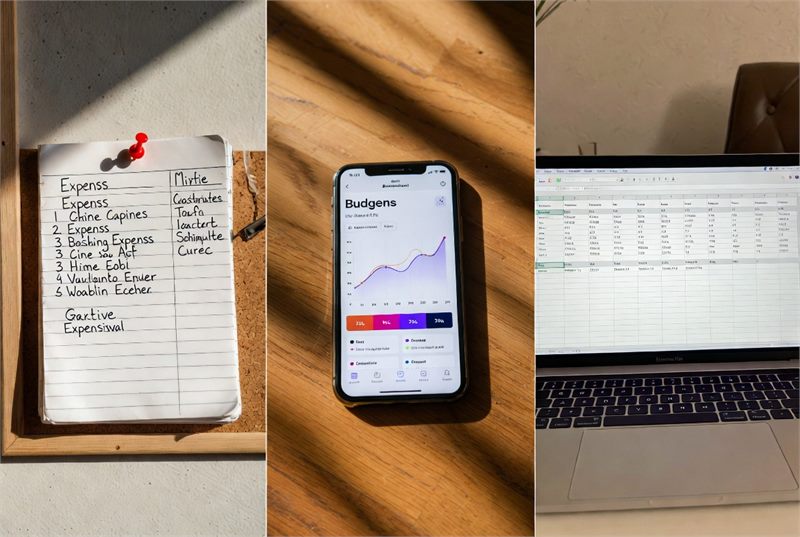
- Notebook
- Notes app
- Spreadsheet
- Expense tracking app
Track Once a Day, Not All Day
You don't need to record expenses instantly.
Best habit:
- Track once daily
- Same time every day
Examples:
- Before sleeping
- After dinner
- During morning routine
Use "Memory Anchors"
People forget expenses because days blur together.
Simple anchors help:
- Link tracking to brushing teeth
- Do it after checking messages
- Do it before sleeping
Separate Fixed vs Flexible Spending
Instead of dozens of categories, use this split:
Fixed Spending
- Rent
- Internet
- Phone
- Subscriptions
Track once per month.
Flexible Spending
- Food
- Transport
- Shopping
- Entertainment
Track daily or weekly.
Don't Judge Spending While Tracking
Tracking is observation, not decision-making.
While tracking:
- Don't label spending as "bad"
- Don't try to fix anything
- Don't change habits yet
Review Weekly, Not Constantly
Once a week, look at:
- Where most money went
- Any surprising spending
- One small thing to adjust
Don't aim to "cut everything."
Aim to notice one pattern.
Simple Expense Tracking Template
You can copy this exactly:
That's it. Simple beats perfect.
Common Expense Tracking Mistakes
| Mistake | Why It Fails |
|---|---|
| Tracking everything forever | Burnout |
| Too many categories | Confusion |
| Tracking only "bad" spending | Incomplete data |
| Skip small purchases | False picture |
| Quitting after missing a day | Loss of progress |
Missing a day doesn't break tracking. Quitting does.
How Long You Should Track Expenses
You don't need to track forever.
Many people track fully for a few months, then reduce effort. That's normal.
Signs Expense Tracking Is Working
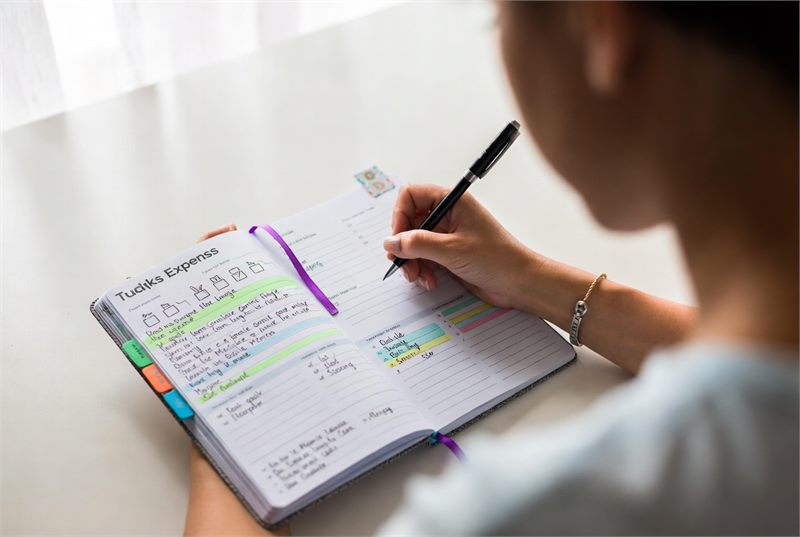
You'll think before spending — without forcing yourself.
Expense Tracking vs Budgeting
Tracking
Shows where money goes
Budgeting
Decides where money should go
Tracking comes first. Budgeting works better after.
Run a Simple Monthly Spending Review
Tracking only pays off when you look at what the numbers tell you. A short review at the end of each month turns raw records into better decisions. Set aside 20 to 30 minutes, ideally on the same day each month.
- Total each category: housing, food, transport, bills, debt payments, personal spending, and savings.
- Compare with last month: note which categories went up or down, and why.
- Spot leaks: look for small, frequent purchases, forgotten subscriptions, and fees that add up quietly.
- Check irregular costs: annual insurance, car servicing, gifts, and school costs. Divide them by twelve and set money aside monthly.
- Pick one change: choose a single, specific action for next month, such as cancelling one subscription or cooking at home two more nights a week.
- Record your savings rate: the percentage of income you saved. Watching it rise is motivating.
Keep the tone kind rather than critical. The goal is awareness and gradual improvement, not guilt. If you share finances with a partner, review together and agree on shared priorities, so tracking feels like teamwork instead of policing.
After a few months, your records will show clear patterns. Use them to build a realistic budget; our guide on creating a monthly budget explains how to turn tracking data into a plan you can stick to.
Small, consistent tracking beats occasional perfect tracking. Even if you miss a few days, simply pick up again from today rather than giving up. Many people find that checking their banking app for two minutes each evening, and noting anything unusual, is enough to keep a clear picture without it ever feeling like a chore.
Final Thought
You don't track expenses to restrict life. You track expenses to understand it.
The goal isn't perfect records. The goal is clarity.
Choose a simple method. Stick to it long enough to learn something. Then adjust — calmly.
That's how expense tracking actually works in real life.