Choosing a mutual fund is rarely straightforward, even though it's often presented as simple. Most people don't struggle because mutual funds are complicated; they struggle because there are too many choices and too much noise around returns.

A common mistake is picking a fund just because it performed well last year. That approach feels logical, but markets don't work in straight lines. A fund that looks impressive today can underperform tomorrow. The real skill is not chasing performance, but choosing something that fits your situation and staying consistent with it.
How to Start by Understanding Your Own Goal
Before looking at fund names, ratings, or charts, it helps to answer one basic question: Why are you investing?
Long-term goals
Some people invest to build wealth slowly over decades
Short-term goals
Others invest for short-term goals like buying a house or setting aside emergency money
These goals are very different, and they require different types of funds.
If your goal is many years away, you can usually afford ups and downs along the way. If your goal is close, stability matters more than growth. When your goal is clear, a lot of fund options automatically become irrelevant.
How Risk Tolerance Should Guide Your Choice
Risk tolerance isn't about how brave you feel on a good day. It's about how you react when markets fall.
Equity-oriented funds
Tend to fluctuate more. They can deliver higher returns over long periods, but they also test patience.
Debt-focused funds
Move more slowly and feel calmer, but they don't grow as fast.
Balanced or hybrid funds
Sit somewhere in the middle.

How to Look Beyond Last Year's Returns
Many investors fall into the trap of judging a fund by recent performance alone. This is understandable, but it's rarely helpful.
How Costs Quietly Affect Long-Term Results
Fees are easy to ignore because they don't feel immediate, but they matter more than many people realize.
Every mutual fund charges an expense ratio to cover management and operating costs. Even a small difference can compound into a noticeable gap over time. Higher fees don't automatically mean better management, and lower fees don't guarantee better returns—but unnecessary costs quietly reduce what you keep.
How to Think About Fund Management and Strategy
A mutual fund is not just a product; it reflects decisions made by a management team.
Consistent strategy
Some funds follow a very strict strategy and stick to it through market cycles
Frequent changes
Others change direction frequently
Consistency in approach often matters more than aggressive bets. When reviewing a fund, it helps to understand how it invests and whether that style makes sense for your goal. A fund that frequently changes its identity can be harder to trust over long periods.

How Fund Size and Asset Base Matter (But Not Always)
Fund size, often referred to as assets under management, can influence how easily a fund operates. Very large funds benefit from scale, while smaller funds can sometimes be more flexible.
That said, size alone doesn't make a fund good or bad. What matters more is whether the fund's size fits its strategy. Some strategies work better when funds remain reasonably sized rather than extremely large.
How to Choose Mutual Funds for Long-Term Investing
For long-term goals, patience matters more than precision.
Equity and balanced funds are often considered for longer horizons because they have time to recover from downturns. Long-term investing works best when you avoid frequent changes and allow compounding to do its job.
Instead of constantly switching funds, reviewing your portfolio once in a while is usually enough. Overreacting to short-term movements often does more harm than good.
How SIPs Change the Way People Invest
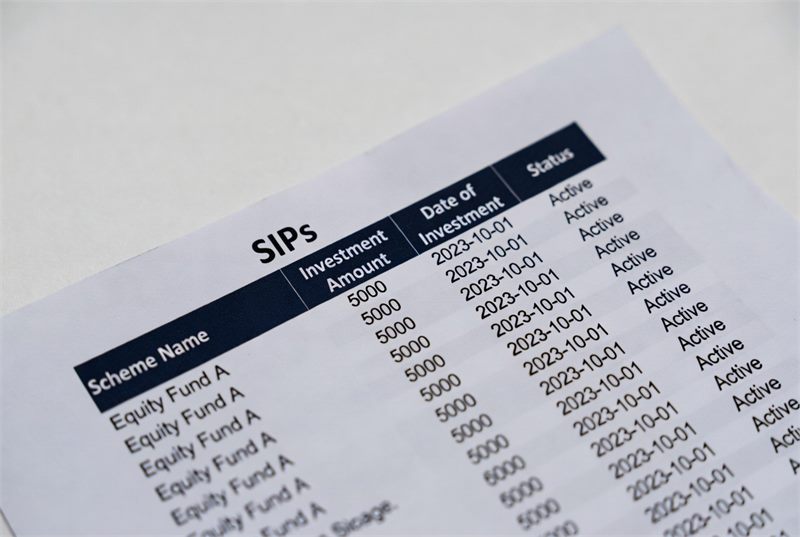
Systematic Investment Plans, commonly known as SIPs, allow investors to invest gradually instead of all at once. This approach reduces the pressure of timing the market.
For many people, SIPs make investing feel manageable rather than stressful.
How to Avoid Common Mutual Fund Mistakes
Over-diversifying
Holding too many funds can dilute returns and make tracking difficult
Emotional reactions
Reacting emotionally to short-term market movements. Selling during downturns and buying during peaks often leads to disappointing outcomes
Ignoring key factors
Ignoring fees, ignoring time horizon, and copying other investors without understanding your own needs are also common pitfalls
How to Use Tools and Ratings Without Relying on Them Blindly
Ratings and comparison tools can be helpful, but they are guides, not decision-makers.
They summarize past data, group similar funds, and highlight risks, but they don't predict the future. Using them alongside your own goals and risk tolerance leads to better decisions than using them alone.
Platforms for Investing in Mutual Funds
When it comes to investing in mutual funds, most people do not buy them directly from the fund company itself. Instead, they usually access funds through platforms that simplify the process and handle transactions.
These platforms can be online brokerage services, mutual fund distributors, or investment apps that offer access to multiple fund houses in one place. The main role of such platforms is to provide basic tools for browsing funds, placing investments, and tracking holdings over time.
Well-known global platforms that are often used for mutual fund access include:
In some regions, investors may also use local banks, licensed brokers, or regulated investment apps, depending on availability and local rules.
Final Thoughts
Choosing mutual funds isn't about finding the "number one" option. It's about alignment.
When a fund matches your goal, risk comfort, and time frame, it becomes easier to stay invested through market cycles. Over time, discipline usually matters more than picking the most exciting option.
A few well-chosen funds, reviewed occasionally and held patiently, often outperform constant switching and chasing trends.