Choosing the best credit card isn't about finding the most popular one or the one with the biggest headline offer. It's about choosing a card that fits how you actually live, spend, and repay money. A good choice makes daily payments easier. A bad choice quietly becomes expensive. This guide walks through the decision process in a clear, practical way so you can choose a credit card with confidence, not guesswork.
Start With How You Plan to Use the Credit Card

Planning your credit card usage
Be Honest With Yourself
If you've carried balances before, assume it could happen again. If you've always paid in full, plan for that—but still consider what happens if one month goes off track. Your usage pattern matters more than any feature list.
Decide Whether You'll Pay in Full or Carry a Balance

Deciding between payment plans
If You Pay in Full
- Interest rates matter less
- Rewards, cashback, and fee structure matter more
- Grace periods and account flexibility are important
If You Carry a Balance
- Interest rates become critical
- Simpler cards often work better
- Rewards are less valuable than lower costs
Understand the Main Types of Credit Cards
Most credit cards fall into a few broad groups. Knowing these helps narrow your options quickly.
Simple or Low-Fee Cards
These focus on basic spending and repayment. They usually have fewer extras but are easier to manage and predictable in cost.
Reward and Cashback Cards
These return value through points or cash based on spending. They work best when balances are paid off regularly and spending is consistent.
Low-Interest Cards
Designed for borrowing rather than rewards. They're useful when flexibility matters more than perks.
Credit-Building Cards
Intended for people with limited or damaged credit history. They prioritize access and reporting over benefits.
Key Point
There is no "best type." There is only the best match for your situation.
Compare Costs Before Benefits
Many people choose cards based on rewards and overlook the real cost structure.
Pay attention to:
- Annual or account fees
- Interest rates after promotional periods
- Penalty charges for late payments
- Fees for exceeding limits or using the card abroad
Important
A card with a small annual fee can be worthwhile—but only if the benefits clearly exceed that cost over time.
Look Closely at Introductory Offers
Introductory interest rates can be useful, but only when understood fully.
Things to Check
- How long the introductory period lasts
- What rate applies after it ends
- Whether fees apply during or after the promotion
- If balance transfers have extra charges
Temporary offers should never be the only reason you choose a card.
Evaluate Rewards With Realistic Expectations
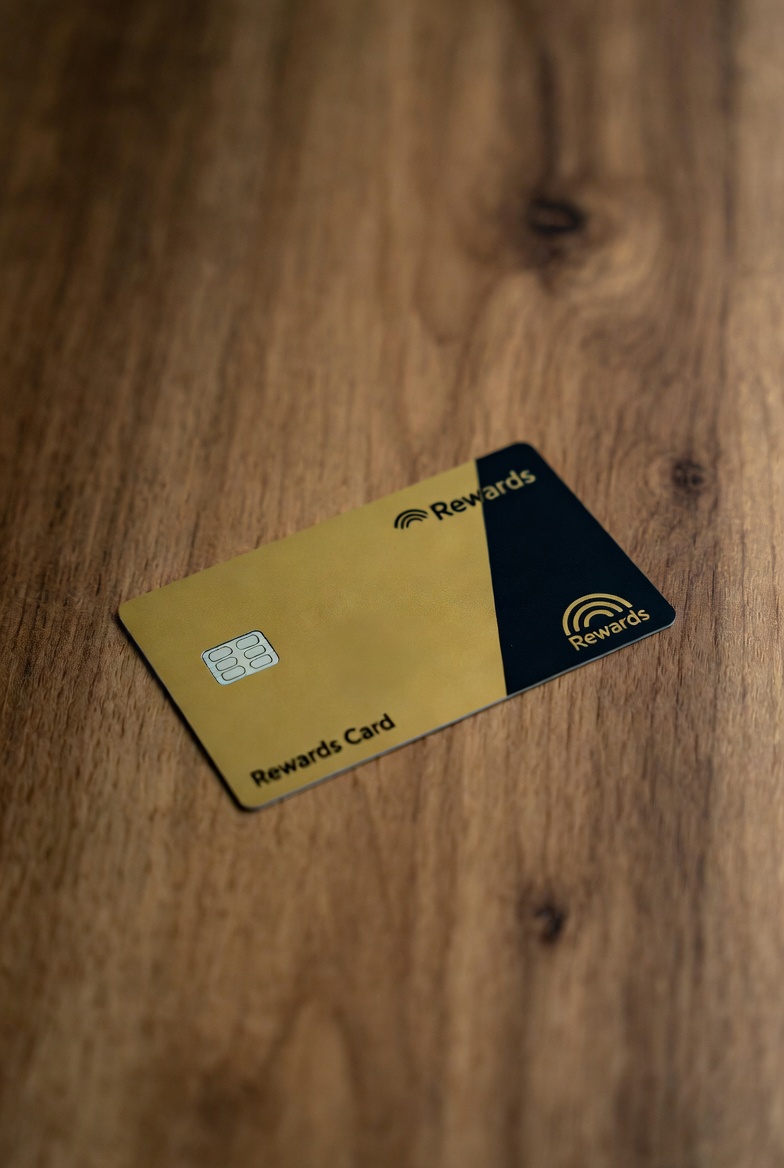
Evaluate rewards programs carefully
Pro Tip
Simple cashback is often easier to benefit from than complex point systems.
Review Credit Limits and Spending Control
The credit limit affects how usable the card feels.
A Good Credit Card Offers
- A limit that suits your spending
- Clear visibility into usage
- Alerts or controls to avoid overspending
Using a large portion of your limit regularly can affect your credit profile, so balance matters.
Pay Attention to Digital Access and Account Management
A credit card isn't just a piece of plastic—it's an ongoing account.
Strong account management includes:
- Clear transaction history
- Easy payment setup
- Spending notifications
- Quick access to statements and settings
Remember
Cards that are hard to manage often lead to mistakes, not savings.
Apply Carefully and Avoid Multiple Applications

Submit applications carefully
Best Practice
A single, well-chosen application is better than multiple rushed ones.
Understand the Credit Agreement Before Accepting
If approved, you'll receive a credit agreement. This document explains:
- Your credit limit
- Interest rates and fees
- Repayment rules
- Your rights and responsibilities
Important
Reading the terms may feel boring, but it prevents surprises later.
Consider Additional Cardholders Carefully
Some cards allow additional users. While convenient, remember:
- You're responsible for all spending
- Clear rules help avoid confusion
- Monitoring shared spending is essential
Note
Extra cards add convenience, not extra protection.
What If Your Application Is Refused?
A refusal doesn't mean something is wrong with you. It usually relates to credit history, income pattern, or recent applications.
If refused:
- Avoid reapplying immediately
- Review your credit record
- Focus on improving stability before trying again
Patience Pays
Patience here protects your long-term options.
Making the Final Choice
A good credit card:
- Fits how you spend and repay
- Has costs you fully understand
- Offers benefits you'll realistically use
- Is easy to manage and secure
The best credit card is rarely the most advertised one. It's the one that quietly works in the background without creating stress or unnecessary cost.