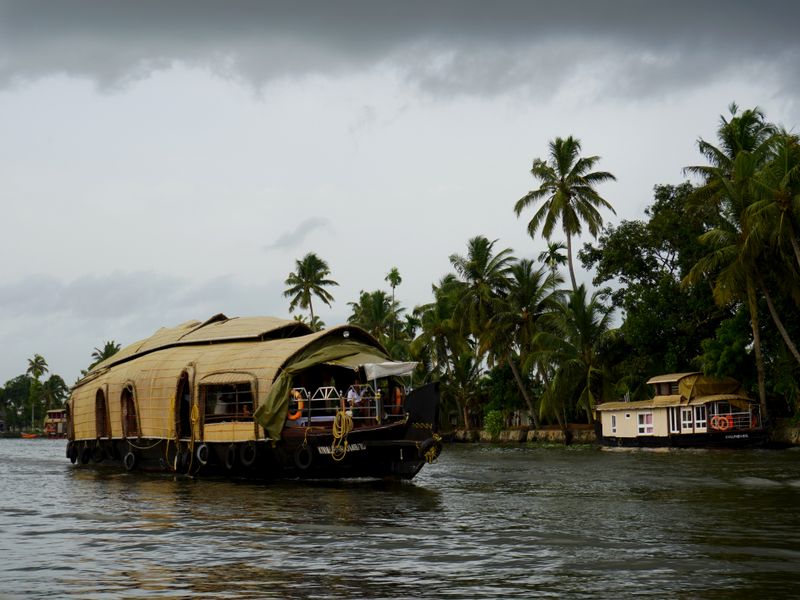
Life moves slowly on Kerala's backwaters
The most popular way to experience them is aboard a kettuvallam, a traditional rice barge converted into a houseboat. This guide explains your options, where to start, how to choose a safe and responsible operator, and how to make the most of your time on the water.
Step 1: Choose Your Type of Trip
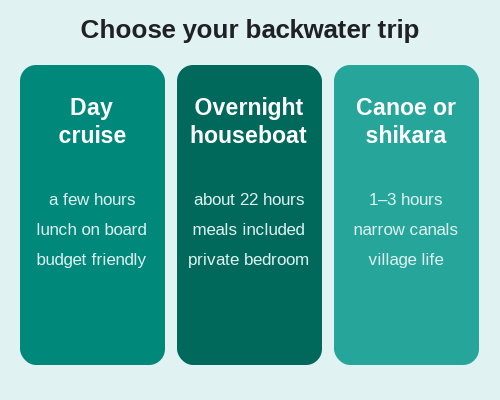
Pick the trip that fits your time and budget
- Overnight houseboat: the classic experience. Cruises usually start around midday and finish the next morning, with meals cooked on board and private bedrooms. Boats stop for the night at a mooring point.
- Day cruise: a few hours on a houseboat or shared boat, often including lunch; ideal if your time or budget is limited.
- Canoe or shikara trips: small boats reach narrow canals that large houseboats can't enter, giving a closer look at village life and birdlife.
- Public ferries: the state water transport ferries between towns offer an inexpensive, local way to see the backwaters.
Step 2: Pick Your Starting Point
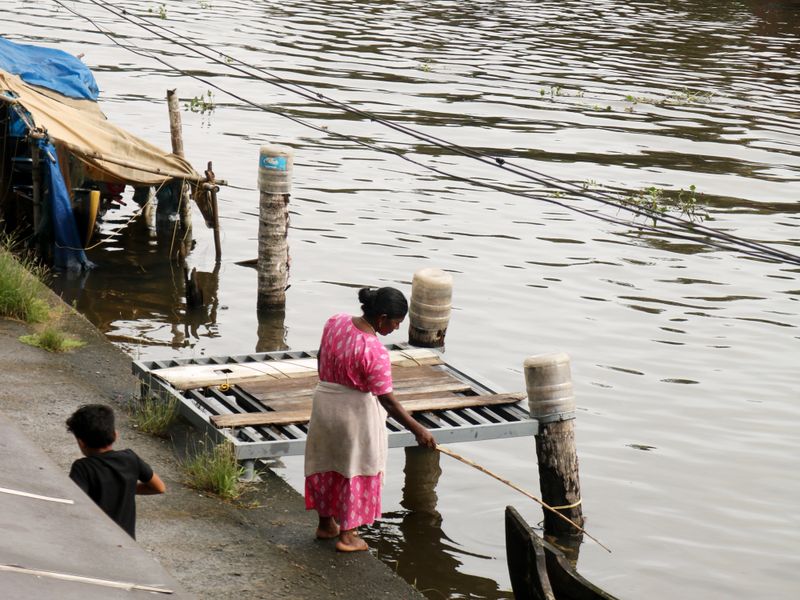
Daily life on the Alappuzha backwaters
- Alappuzha (Alleppey): the main houseboat hub, with the widest choice of boats and routes. It can be busy in peak season.
- Kumarakom: on the shores of Vembanad Lake, quieter and known for upscale resorts and a bird sanctuary.
- Kollam: the starting point for longer cruises towards Alappuzha.
- Kochi: the nearest major city and airport for many travellers, a couple of hours by road from Alappuzha.
Step 3: Choose the Best Season
The most comfortable time is usually from around September or October to March, after the main monsoon and before the hottest months. Peak season around December and January brings higher prices and more boats on the water, so book early. The monsoon, roughly June to September, brings heavy rain but lush green scenery and lower prices. In August, the famous Nehru Trophy Boat Race on Punnamada Lake near Alappuzha features long snake boats rowed by large teams, a spectacular event.
Step 4: Book a Safe, Licensed Operator
- Choose operators approved by Kerala Tourism or recommended by reputable travel companies, and read recent reviews.
- Check what's included: meals, drinking water, air conditioning (sometimes only at night), the route, and start and end times.
- Ask about safety: life jackets, fire extinguishers, and a licensed crew should be on board.
- Look at photos of the actual boat, not just the company's best boat, and confirm the boat name in writing.
- Avoid touts at bus and train stations offering "cheap" boats without clear details.
Private or shared?
Private houseboats suit couples, families, and groups who want their own schedule. Shared or sharing-cabin boats can be cheaper for solo travellers. Either way, confirm the number of bedrooms and bathrooms before paying.
Step 5: Enjoy Life on Board
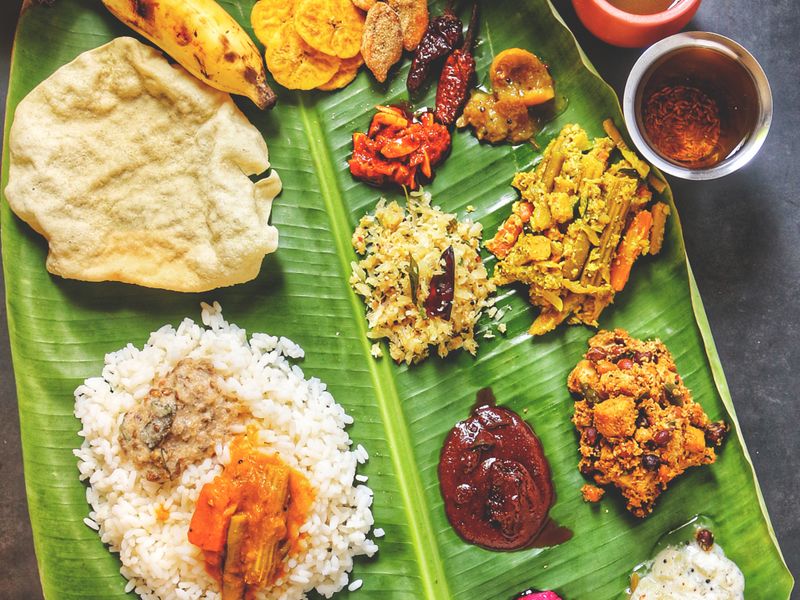
A Kerala meal served on a banana leaf
- Kerala food: crews often cook fresh local meals, such as fish curry, karimeen (pearl spot fish), appam, rice, and coconut-based vegetables. Tell them about dietary needs in advance.
- Village stops: some routes include stops to walk along paddy fields, see coir making, or visit a local temple.
- Birdwatching: look for kingfishers, herons, egrets, and cormorants, especially in early morning.
- Slow down: part of the joy is simply relaxing on deck, reading, and watching village life drift by.
Stay safe on the water
Use mosquito repellent, especially in the evening, drink bottled or filtered water, and follow the crew's safety instructions. Don't swim in the backwaters, and keep children supervised on deck at all times.
Travel Responsibly on the Backwaters
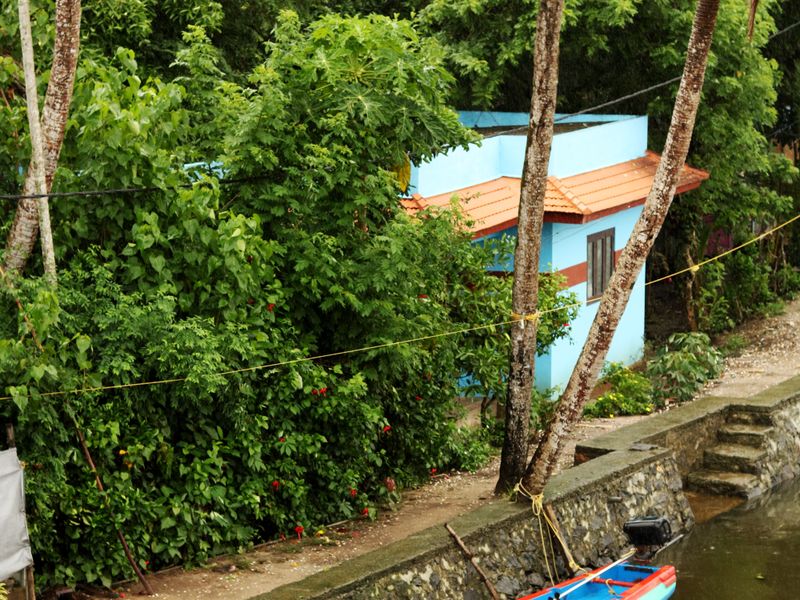
A canoe on a narrow Alappuzha canal
Combine the Backwaters With More of Kerala
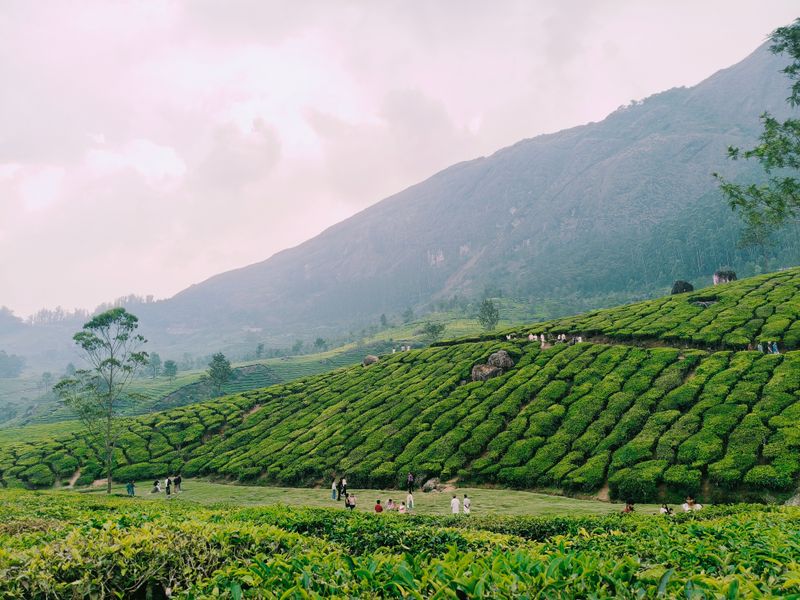
Tea plantations in the hills of Munnar
A typical route might move from Kochi to Munnar, then Thekkady, then down to the backwaters and finally a beach, taking around a week to ten days. Travel times by road can be longer than distances suggest because of hilly terrain and traffic, so allow plenty of time between stops and avoid driving long distances at night.
Kerala is also known for Ayurveda, traditional Indian wellness practices, and many resorts offer treatments. Choose established, reputable centres, and speak to a doctor first if you have health conditions or take medication.
Finally, try to experience Kerala's culture beyond sightseeing. Watch a Kathakali dance performance, with its elaborate make-up and costumes, visit a spice market, or join a cooking class to learn how to make dishes like appam and fish curry. These experiences give a deeper understanding of the region and support local communities.
Kerala is generally welcoming and relaxed, but respect local customs: dress modestly in villages and temples, remove shoes where required, and ask permission before photographing people.
Bring light, breathable clothing, sunscreen, and a hat.
Final Thoughts
To tour the Kerala backwaters efficiently, choose the right type of trip, start from Alappuzha, Kumarakom, or Kollam, travel between autumn and early spring for the best weather, and book a licensed operator with clear inclusions. Then slow down, enjoy fresh Kerala food, and let the gentle rhythm of the water show you a side of India you'll never forget.