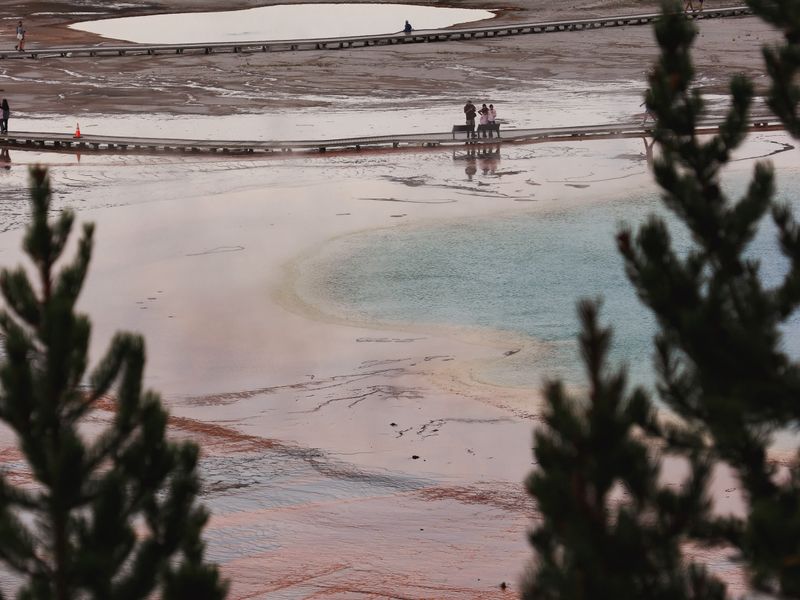
Yellowstone has more geysers and hot springs than anywhere on Earth
The park's size is its biggest challenge. Main sights are spread across a road network hundreds of kilometres long, speed limits are low, and traffic often stops for wildlife. Visitors who don't plan can spend most of their trip in the car. This guide shows you how to organise your days so you see the highlights with less driving and less stress.
Step 1: Choose the Right Time to Visit
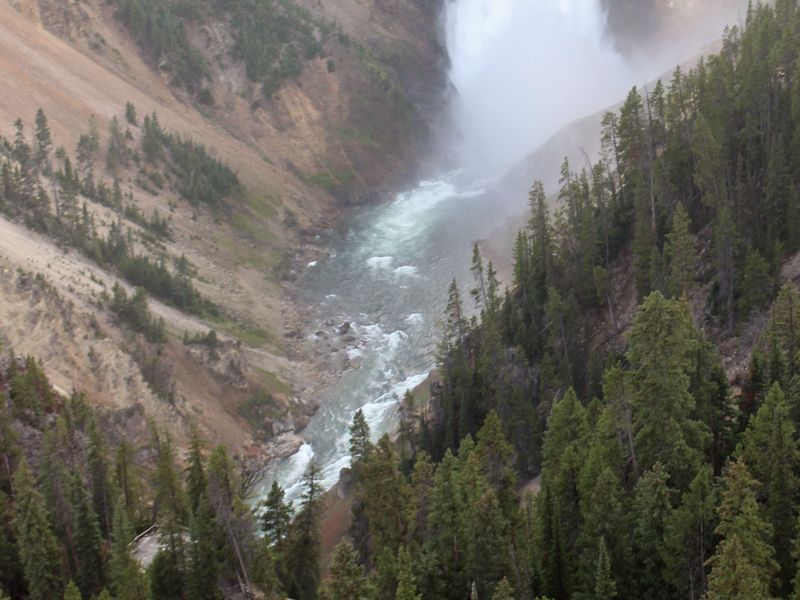
Lower Falls in the Grand Canyon of the Yellowstone
- Summer (June to August): all roads and facilities are usually open, but this is also the busiest period, with crowds at popular sights and full campgrounds.
- Late spring and early autumn (May and September): fewer people, active wildlife, and cooler temperatures. Some services may have shorter hours, and snow is possible.
- Winter (roughly December to March): most park roads close to regular cars. Access to the interior is by guided snowcoach or snowmobile tours, offering a magical, quiet experience.
Road opening and closing dates change with weather each year, so check the official National Park Service website before you go.
Step 2: Understand the Grand Loop
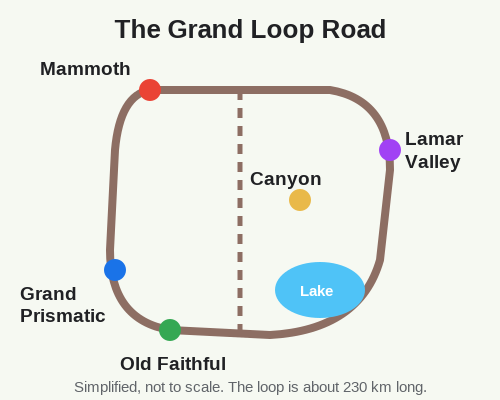
Plan your days around sections of the loop
Rather than trying to drive the whole loop in one day, divide it into sections and explore one region per day. Driving times are always longer than distances suggest, because of slow speed limits, road works, and "bison jams".
Step 3: Plan a Realistic Itinerary
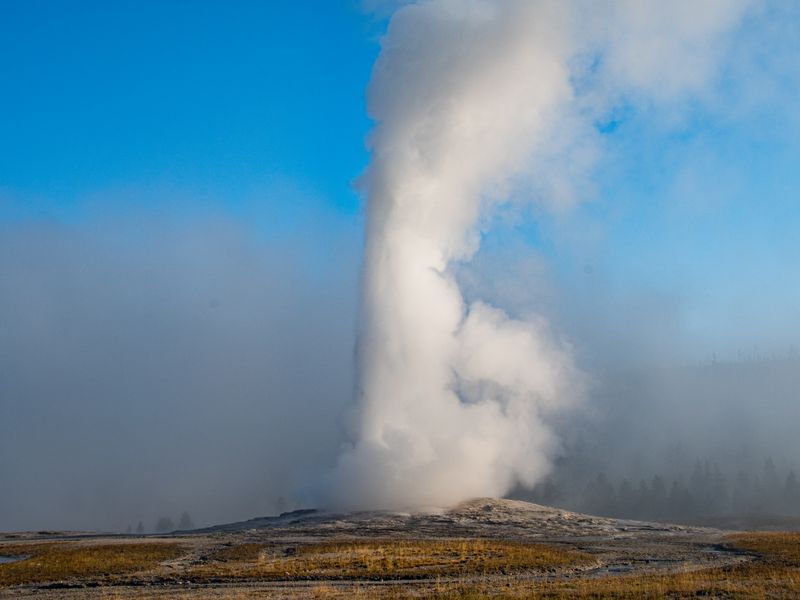
Old Faithful geyser erupting
- Day 1 – Geysers: Old Faithful and the Upper Geyser Basin boardwalks, then Grand Prismatic Spring at Midway Geyser Basin. The Fairy Falls trail offers a classic elevated view of Grand Prismatic.
- Day 2 – Canyon and lake: the Grand Canyon of the Yellowstone with Lower Falls viewpoints such as Artist Point, then Hayden Valley for wildlife and Yellowstone Lake.
- Day 3 – North: the terraces of Mammoth Hot Springs, Norris Geyser Basin, and an early-morning or evening drive through Lamar Valley, often called "America's Serengeti" for its wildlife.
With only one or two days, focus on the geyser basins and the canyon. With four or more, add hikes, the Lamar Valley, and quieter areas.
Time Old Faithful
Old Faithful erupts roughly every 60 to 110 minutes. Rangers post predicted eruption times at the visitor centre and in the official park app, so you can explore nearby boardwalks and return a few minutes before the next eruption.
Step 4: Book Lodging and Entrances Wisely
- Inside the park: lodges and campgrounds inside Yellowstone save hours of driving but often sell out many months ahead. Book as early as possible.
- Gateway towns: West Yellowstone, Gardiner, Cody, and Jackson offer more choice; pick one near the area you'll explore most.
- Switch bases: staying in two different areas, such as near the geyser basins and then near Canyon or Mammoth, cuts daily driving significantly.
- Entrance passes: buy a park pass online or at the gate; annual national park passes can be good value if you'll visit several parks.
Step 5: See Wildlife and Thermal Areas Safely
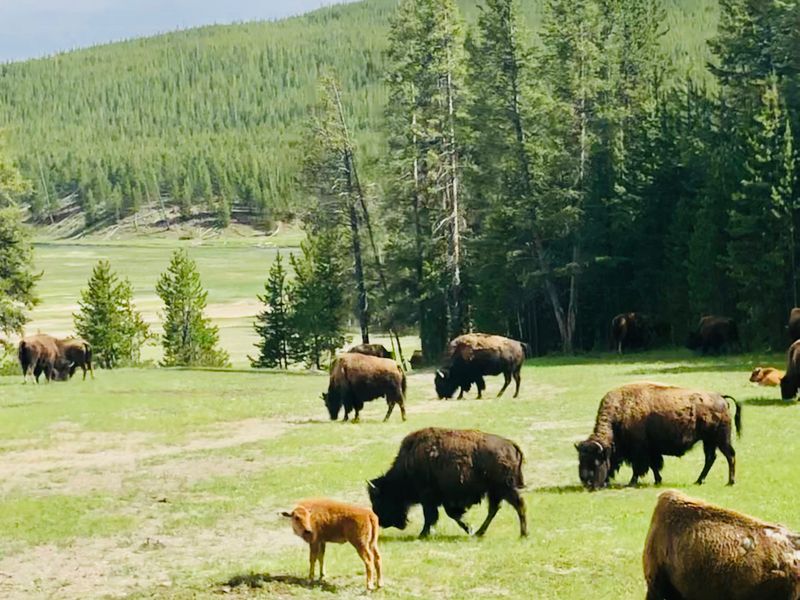
A herd of American bison grazing in a valley
Stay on the boardwalks
The ground around hot springs and geysers can be a thin crust over boiling, acidic water. Always stay on boardwalks and marked trails in thermal areas, keep children close, and never touch the water. Carry bear spray on hikes and know how to use it.
Practical Tips for a Smoother Trip
- Start early: popular car parks fill by mid-morning in summer, and wildlife is most active at dawn and dusk.
- Download maps and the official app before you arrive; mobile signal is patchy in much of the park.
- Fill up on fuel and food when you can; distances between services are long.
- Pack layers: temperatures can swing widely in a single day, and snow is possible in any month at higher elevations.
- Check road status daily on the park website or app for closures and construction.
If you're planning a wider road trip, our guide on renting a car explains insurance, deposits, and pickup checks.
Protect the Park
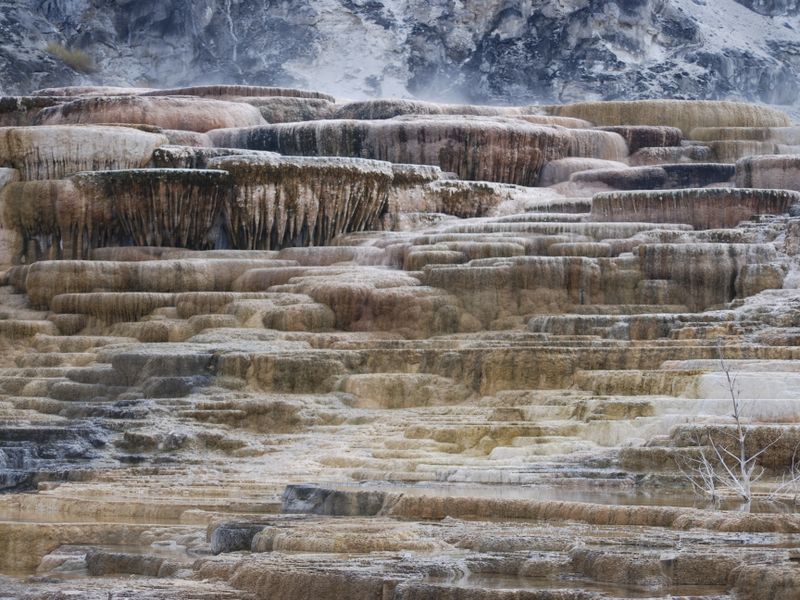
The travertine terraces of Mammoth Hot Springs
Whatever your schedule, leave some unplanned time. Some of the best Yellowstone moments are unexpected: a bison herd crossing the road, a geyser erupting as you walk past, or wolves spotted at dawn in a quiet valley.
Final Thoughts
To visit Yellowstone efficiently, choose your season carefully, divide the Grand Loop into regions, base yourself close to the areas you'll explore, book early, start your days at dawn, and follow wildlife and thermal safety rules. With a realistic plan, you'll spend less time driving and more time enjoying one of the most extraordinary landscapes on the planet.