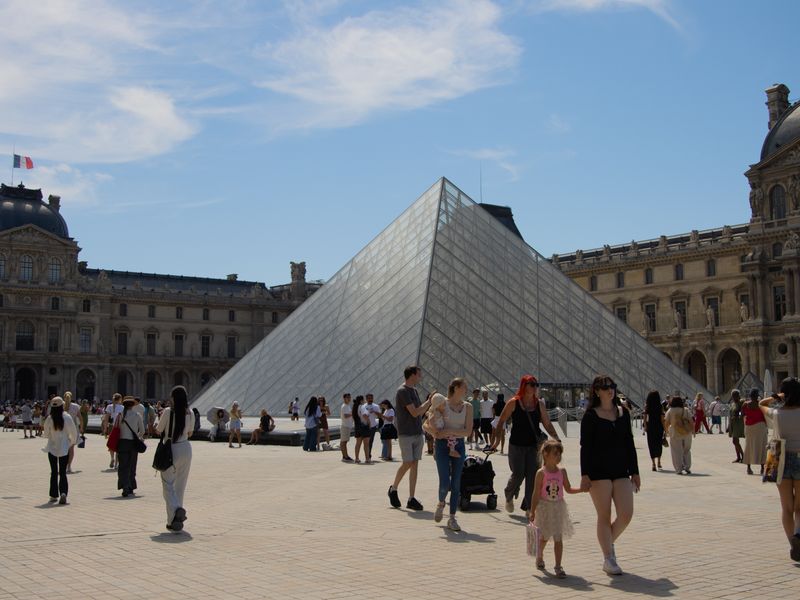
The glass pyramid is the Louvre's best-known entrance
Its size and popularity can be overwhelming. Visitors who arrive without a plan often spend hours queuing, get lost, and leave exhausted. With a little preparation, you can see the highlights, enjoy quieter galleries, and leave inspired rather than worn out.
Step 1: Book a Timed Ticket in Advance
- Book online on the official Louvre website, choosing a time slot. Timed tickets help control crowds and are strongly recommended, especially in busy seasons.
- Check free entry rules: young visitors under 18, and certain other groups, often enter free, but usually still need to reserve a time slot.
- Check opening days: the Louvre is traditionally closed on Tuesdays, and some evenings have late opening. Confirm current hours before you go.
- Avoid unofficial resellers charging high mark-ups; see our guide on booking museum tickets.
Step 2: Choose the Right Entrance and Time
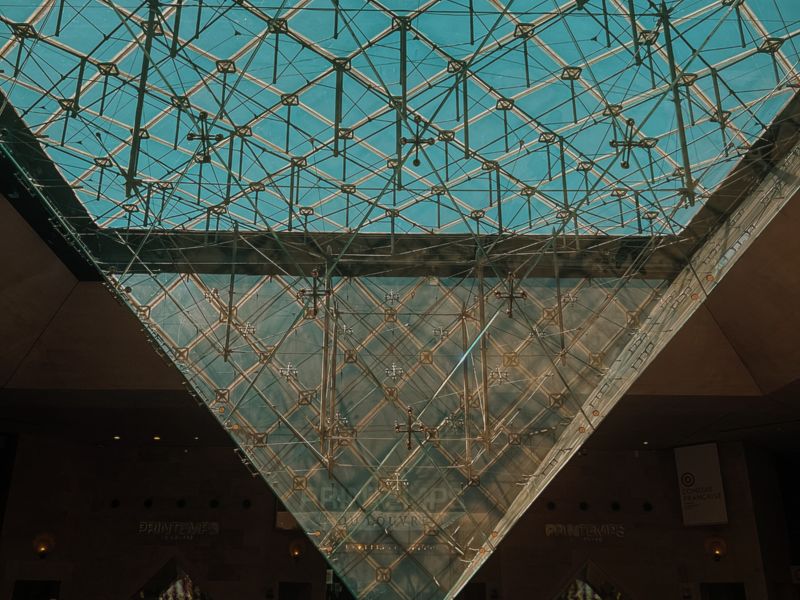
The inverted glass pyramid near the Carrousel entrance
The quietest times are usually early in the morning on weekdays and during late-evening openings. Avoid weekends and school holidays if you can.
Step 3: Understand the Three Wings
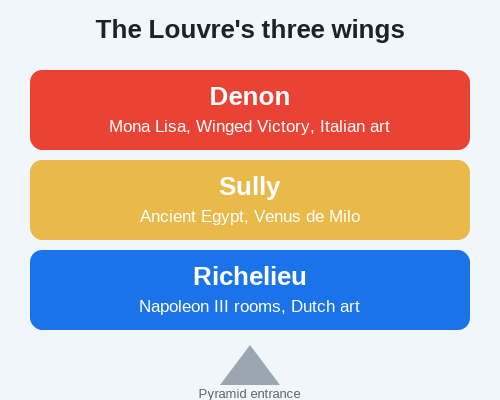
Plan your visit around one or two wings
- Denon wing: the busiest wing, with the Mona Lisa, the Winged Victory of Samothrace on the Daru staircase, Italian Renaissance paintings, and large French paintings such as Liberty Leading the People.
- Sully wing: ancient Egyptian collections, the Venus de Milo, and the remains of the medieval Louvre fortress in the basement.
- Richelieu wing: the opulent Napoleon III apartments, Northern European paintings including Vermeer, and decorative arts.
Download the museum map or official app before your visit, and plan a route rather than wandering.
Step 4: See the Highlights Smartly
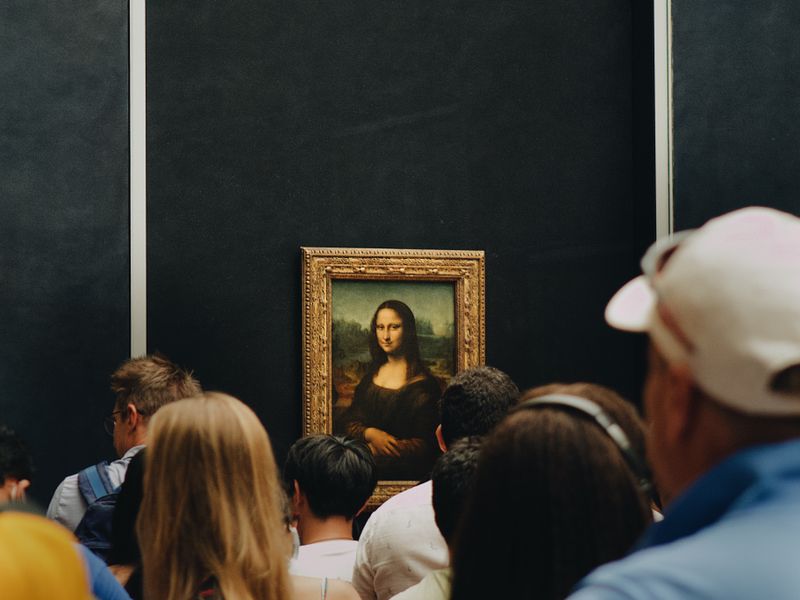
Visitors gathered around the Mona Lisa
- Mona Lisa first, or last: head straight to the Mona Lisa when doors open, or visit late in the day, to avoid the biggest crowds. It's smaller than many people expect and is viewed from behind a barrier.
- Don't miss the room itself: the huge painting opposite the Mona Lisa, Veronese's Wedding Feast at Cana, is one of the largest in the museum.
- Mix famous and quieter works: some of the Louvre's most rewarding galleries are calm and spacious.
- Use an audio guide or tour for context; official guided tours are available at certain times.
Pace yourself
Three to four hours is enough for most visitors. Take breaks in cafés or courtyards, wear comfortable shoes, and choose quality over quantity; you can't see everything in one visit.
Step 5: Choose a Route That Suits You
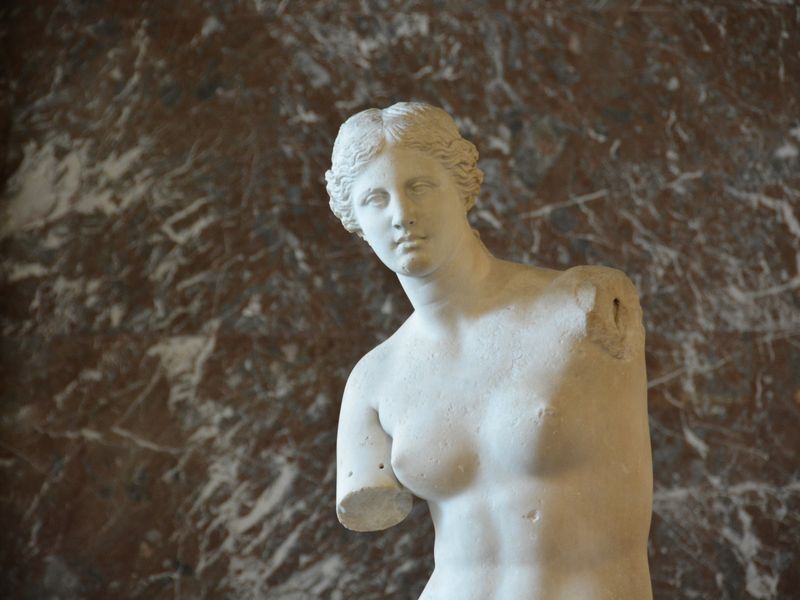
The Venus de Milo in the Sully wing
- First-timer's highlights (2–3 hours): Winged Victory, Mona Lisa, Italian paintings, Venus de Milo, Egyptian antiquities, and the Napoleon III apartments.
- Ancient worlds: Egyptian, Greek, Roman, and Near Eastern collections across the Sully and Denon wings.
- Painting lovers: French, Italian, Spanish, Dutch, and Flemish galleries.
- With children: Egyptian mummies, the medieval moat, and sculpture courtyards are often favourites; keep visits short and fun.
Watch for pickpockets
Busy rooms like the Mona Lisa gallery attract pickpockets. Keep bags closed and in front of you, keep phones secure, and be cautious of distractions or people approaching you with petitions outside the museum.
Make the Most of Your Day
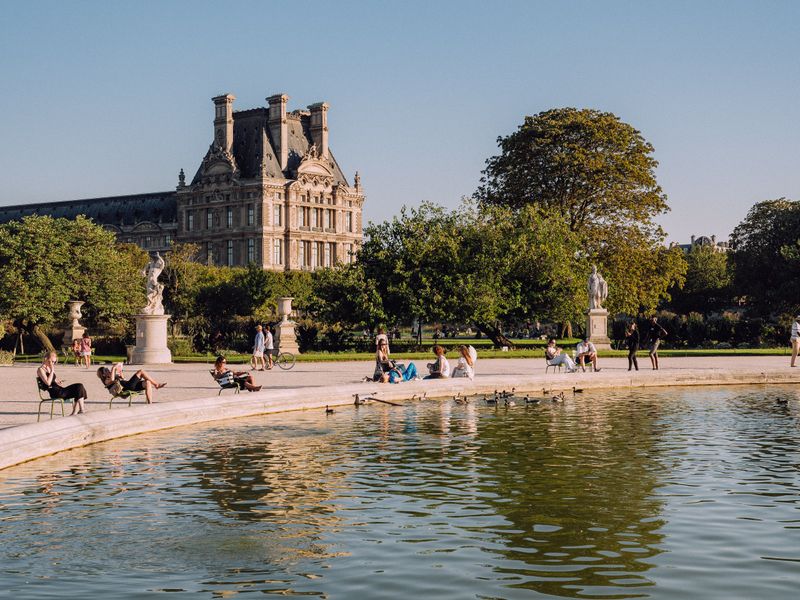
The Tuileries Garden next to the Louvre
Plan the Rest of Your Paris Museum Day
The Louvre sits at the heart of Paris, close to many other highlights. After your visit, walk through the Tuileries Garden to the Musée de l'Orangerie, home to Monet's large Water Lilies paintings, or cross the Seine to the Musée d'Orsay, which holds a world-famous collection of Impressionist art in a former railway station. Combining two museums in one day is possible, but leave time for breaks and meals.
If you plan to visit several museums during your stay, compare the cost of individual tickets with museum passes, and check which venues require timed reservations even for pass holders. Many Paris museums close on either Monday or Tuesday, so plan your days carefully to avoid arriving at a closed museum.
Getting to the Louvre is easy by metro; the Palais Royal–Musée du Louvre station is closest, with an underground link to the Carrousel entrance. Walking along the Seine from nearby areas such as the Île de la Cité or Saint-Germain-des-Prés is also a lovely way to arrive. Our guide on using metro or bus systems explains how to navigate city transport.
Finally, consider when you visit Paris overall. Spring and autumn offer pleasant weather and fewer crowds than summer, while winter is quieter still, with shorter queues at major sights.
Above all, remember that it's fine not to see everything. Choosing what genuinely interests you will make your visit far more rewarding.
Wear comfortable shoes, carry a refillable water bottle, and plan a mid-visit café break.
Check the official website again the day before.
Final Thoughts
Exploring the Louvre effectively means booking a timed ticket, choosing a quieter entrance and time, understanding the three wings, and planning a focused route that mixes famous masterpieces with calmer galleries. Pace yourself, stay alert in crowded rooms, and you'll leave with lasting memories rather than sore feet.