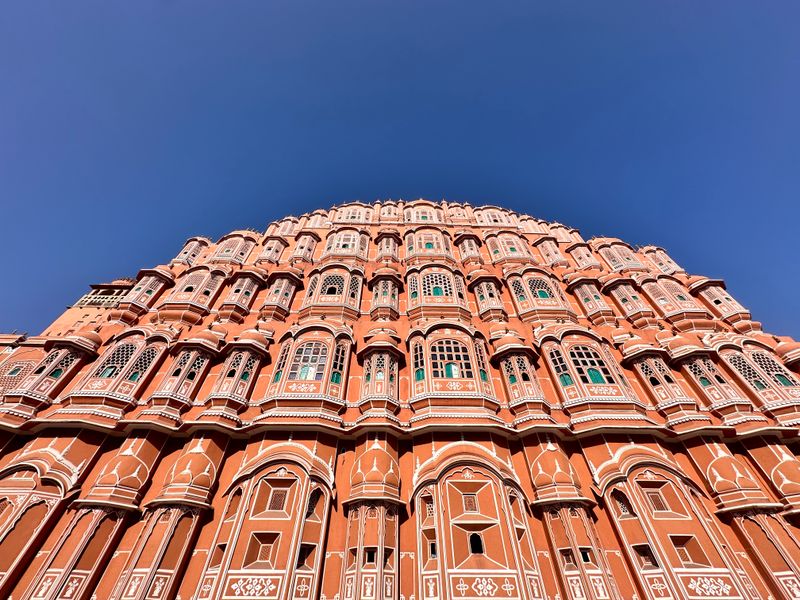
Jaipur is known as the Pink City
Jaipur is part of India's popular "Golden Triangle" with Delhi and Agra. This guide helps you plan your time, see the most important palaces and forts, and shop the markets with confidence.
Step 1: Choose When to Go
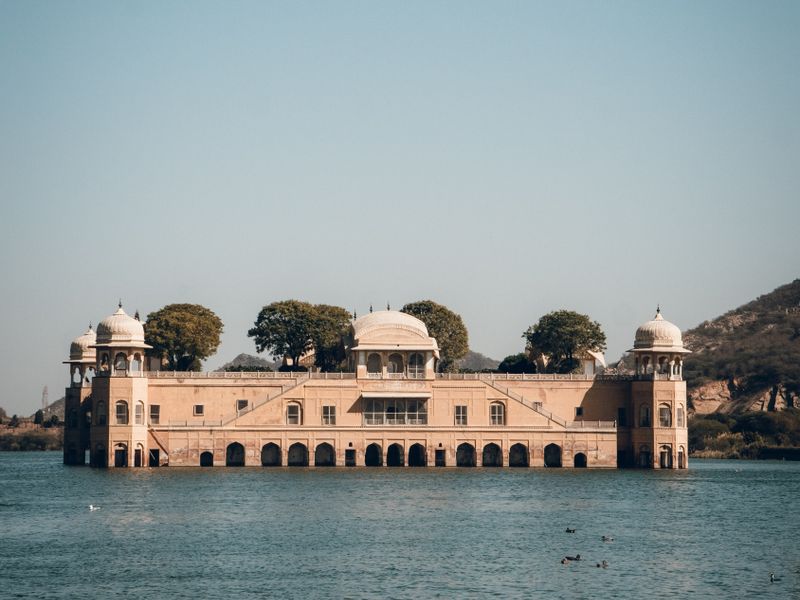
Jal Mahal, the Water Palace, in Jaipur
- October to March: the most comfortable season, with warm days and cool nights. This is also peak tourist season.
- April to June: very hot; sightseeing is best in early mornings and evenings.
- July to September: monsoon season brings rain, greenery, and fewer visitors.
- Festivals: events such as Diwali, Holi, and the Jaipur Literature Festival are spectacular but busy; book early.
Step 2: Follow a Two-Day Plan
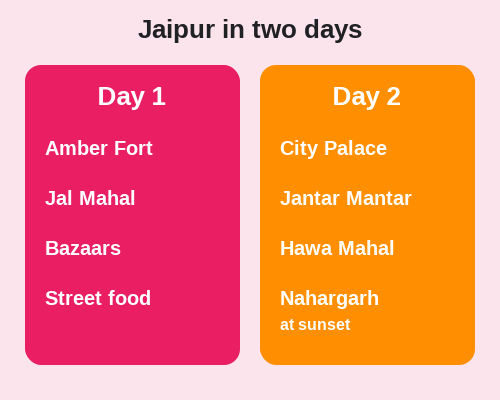
Two days covers the main highlights
Day 2: visit the City Palace and Jantar Mantar, which are next to each other, then see the Hawa Mahal. End the day at Nahargarh Fort, on the hills above the city, for sunset views over Jaipur.
Step 3: See the Palaces and Forts
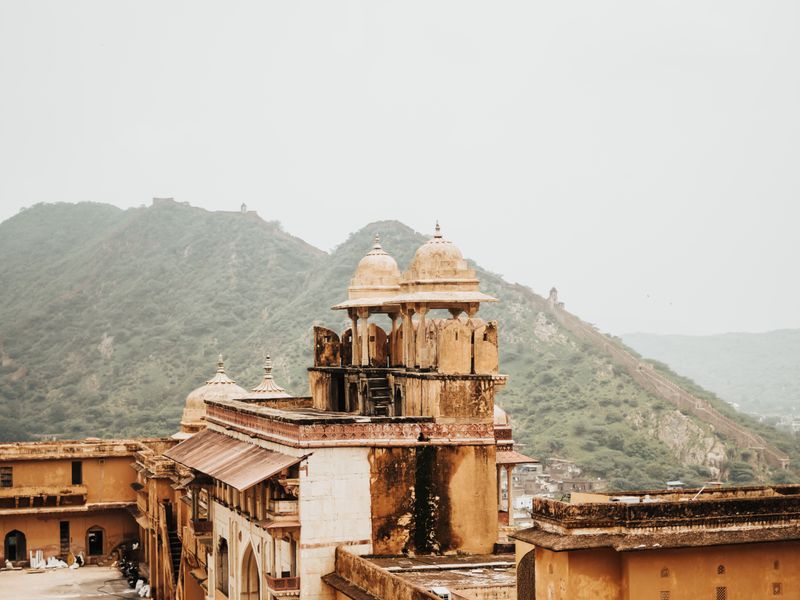
Amber Fort on the hills above Jaipur
- Amber (Amer) Fort: a hilltop fort-palace with courtyards, gardens, and the dazzling Sheesh Mahal, or Mirror Palace. Arrive early to avoid crowds and heat.
- City Palace: still partly home to the royal family, with museums of textiles, weapons, and royal artefacts, and beautifully decorated gateways.
- Jantar Mantar: a UNESCO-listed astronomical observatory with giant instruments, including one of the world's largest stone sundials.
- Hawa Mahal: the "Palace of Winds", a honeycomb façade of small windows that allowed royal women to watch street life unseen. The best photos are from across the street or nearby rooftop cafés.
- Nahargarh and Jaigarh forts: hilltop forts with views, walls, and, at Jaigarh, one of the largest historic cannons on wheels.
Consider a composite ticket
Rajasthan's tourism authorities offer composite tickets covering several major monuments for a set period, which can save money and time. Check current inclusions and prices on official websites or at monument counters.
Step 4: Shop the Bazaars Smartly

Colourful bangles on sale in a Jaipur bazaar
- Johari Bazaar: famous for jewellery, gemstones, and silver.
- Bapu Bazaar: textiles, block-printed fabrics, and mojari (traditional leather shoes).
- Tripolia and Chandpole bazaars: brassware, lac bangles, and household goods.
- Block printing: visit workshops in nearby Sanganer or Bagru to see traditional hand block printing.
Bargaining is normal in many markets, but stay friendly and respectful. Decide what you're willing to pay before you start, compare prices across a few shops, and walk away politely if it's too high. For expensive items such as gemstones, buy only from reputable, government-approved shops and get a certificate and receipt.
Beware of gem scams
A well-known scam involves strangers offering to help you buy gems to "resell at a profit" abroad. These schemes are fraudulent. Never buy gems as an investment from people you've just met, and be cautious of drivers or guides who insist on taking you to particular shops.
Step 5: Taste Rajasthani Food
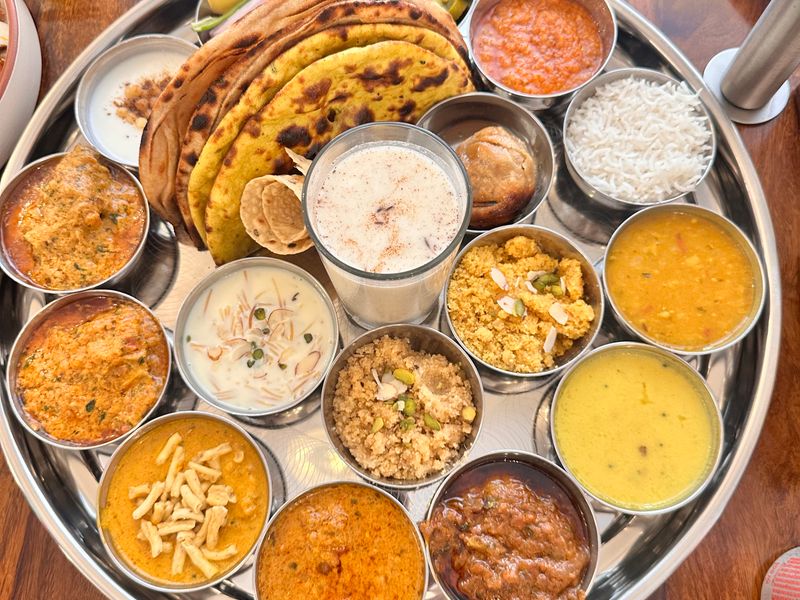
A Rajasthani thali with several dishes
- Dal baati churma: baked wheat balls served with lentils and a sweet crumbled mixture.
- Pyaaz kachori: a spicy onion-filled pastry, a Jaipur favourite.
- Laal maas: a fiery red mutton curry.
- Lassi: a cooling yoghurt drink, often served in clay cups.
- Ghevar: a lacy, sweet festive dessert.
Choose busy, clean food stalls and restaurants, drink bottled or filtered water, and be cautious with uncooked foods if you have a sensitive stomach.
Travel Responsibly
Consider walking or taking a jeep up to Amber Fort rather than riding an elephant, as animal welfare organisations have raised serious concerns about elephant rides. Dress modestly, especially at temples, and ask before photographing people. Use official taxis, ride-hailing apps, or pre-paid auto-rickshaws, and agree fares beforehand. Combine Jaipur with Agra for a classic itinerary; see our guide on exploring the Taj Mahal and Agra Fort.
Getting Around Jaipur
Jaipur's main sights are spread out, so plan transport in advance. Ride-hailing apps are widely used and offer clear prices, while auto-rickshaws are convenient for short trips; agree the fare before you set off or use pre-paid stands where available. Hiring a car with a driver for a day is a comfortable option for visiting Amber Fort and the hilltop forts, especially in hot weather.
The old city's bazaars are best explored on foot, but traffic can be intense, so take care crossing roads and keep to the edge of narrow lanes. The Jaipur Metro connects some parts of the city and is useful for certain routes. Allow extra time between sights, as traffic can be slow at busy times of day.
If you are arriving from Delhi or Agra, trains and buses connect Jaipur with both cities, and road travel along the Golden Triangle is common. Booking train tickets through official railway channels in advance is recommended, particularly during holidays and the winter peak season.
Budget-wise, Jaipur offers options for every traveller, from heritage havelis and palace hotels to simple guesthouses. Staying inside or near the old city keeps you close to the bazaars, while hotels further out are often quieter. Wherever you stay, check recent reviews and confirm airport or station transfers in advance.
Carry some small notes for tips, snacks, and rickshaw fares.
Most importantly, slow down and enjoy the colour, music, and energy of the old city streets.
Final Thoughts
Planning a visit to Jaipur means choosing a comfortable season, following a simple two-day plan, starting early at Amber Fort, exploring the City Palace, Jantar Mantar, and Hawa Mahal, and shopping the bazaars with smart, friendly bargaining. Add Rajasthani food and responsible travel choices, and the Pink City will leave you with vivid, lasting memories.