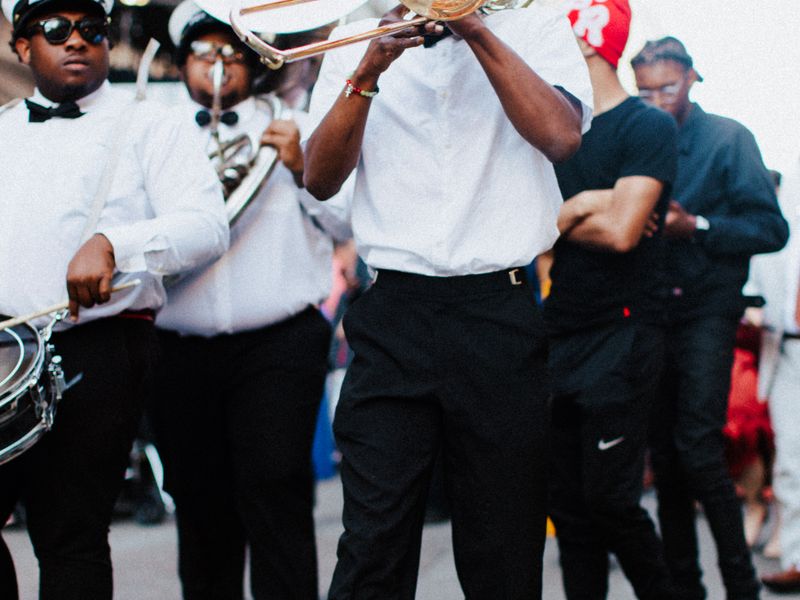
Music, food and parades fill the streets all year
This guide explains the major festivals, how to experience parades and second lines respectfully, and practical tips for planning a festival trip, so you can enjoy the city's culture like a local rather than just a spectator.
Step 1: Know the Festival Calendar
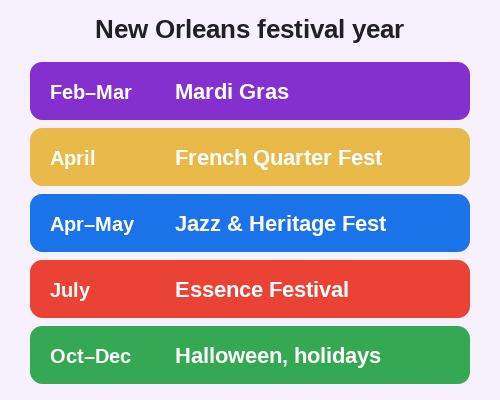
There's a celebration in almost every season
- Mardi Gras (February or March): the climax of Carnival season, which begins on 6 January. Parades build over the final two weeks before Fat Tuesday, the day before Ash Wednesday.
- French Quarter Festival (April): a large, largely free music festival on stages across the historic French Quarter, showcasing local musicians.
- New Orleans Jazz & Heritage Festival (late April to early May): "Jazz Fest" brings jazz, blues, gospel, zydeco, and more to the Fair Grounds, with Louisiana food and crafts.
- Essence Festival (around early July): a major celebration of Black culture, with concerts and talks.
- Autumn and winter: Halloween celebrations, food festivals, and holiday events including lights and bonfires on the Mississippi levees in nearby river parishes.
Step 2: Experience Mardi Gras Well
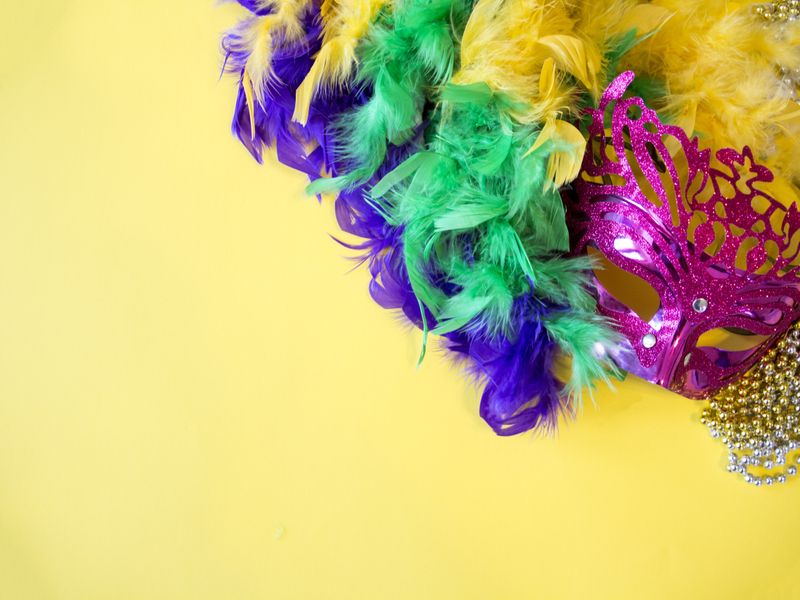
A colourful Mardi Gras mask with feathers
- Parades are run by "krewes", social organisations that build floats and throw beads, cups, and trinkets to the crowd.
- St. Charles Avenue along the Uptown route is popular with families and has a more relaxed atmosphere than the crowded French Quarter.
- Check parade schedules through official apps and local media; timings and routes are published in advance.
- Arrive early to claim a spot, bring snacks and water, and plan bathroom options, as facilities are limited.
- Dress up: costumes are a big part of Fat Tuesday, especially in neighbourhoods like the Marigny.
Look beyond Bourbon Street
Bourbon Street is famous but crowded and rowdy during festivals. Many locals prefer neighbourhood parades, Frenchmen Street's music clubs, and family-friendly Uptown routes for a more authentic experience.
Step 3: Join a Second Line Respectfully
Second lines are traditional New Orleans street parades led by a brass band. Social aid and pleasure clubs, community organisations with deep roots in the city's Black neighbourhoods, hold Sunday second lines through much of the year, especially from late summer to spring. Anyone can join the "second line" of dancers following the band. Enjoy the music and dancing, follow the route, give the band and club members space, and remember that these are community traditions, not shows for tourists. Local radio and cultural websites often list upcoming routes.
Step 4: Taste the Festival Food
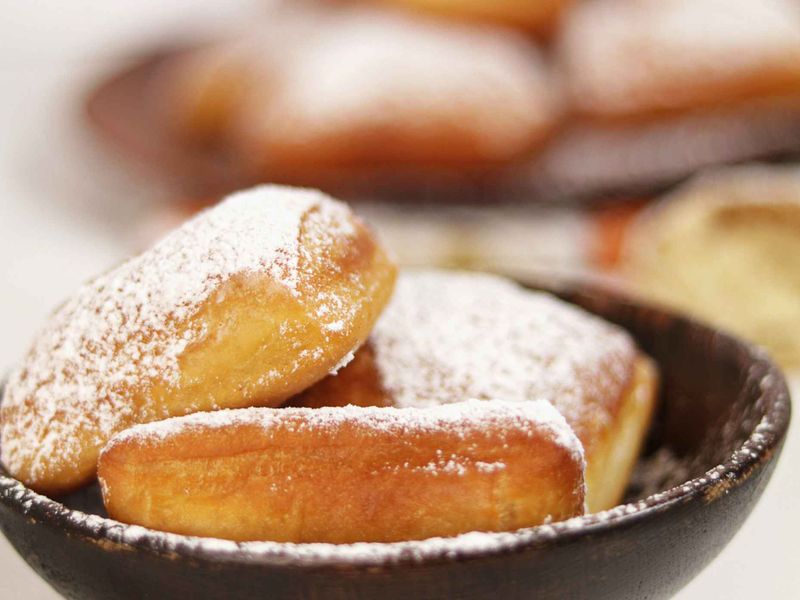
Beignets dusted with powdered sugar
- King cake: a ring-shaped Carnival pastry, traditionally eaten from January to Mardi Gras, with a tiny figure hidden inside.
- Gumbo and jambalaya: rich stews and rice dishes reflecting Creole and Cajun heritage.
- Po'boys: sandwiches filled with fried seafood or roast beef on crusty French bread.
- Crawfish: boiled crawfish is a spring favourite.
- Beignets: fried dough covered in powdered sugar, often with chicory coffee.
Step 5: Plan Your Festival Trip
- Book accommodation early: hotels fill months ahead for Mardi Gras and Jazz Fest, and prices rise.
- Choose your base near streetcar lines for easy travel without driving; many streets close during parades.
- Buy tickets for ticketed festivals such as Jazz Fest from official sellers only.
- Prepare for the weather: spring is warm and humid, summer is hot, and hurricane season runs from June to November.
- Stay hydrated and pace yourself; festivals involve long days outdoors.
Stay safe in crowds
Keep valuables secure and out of sight, agree a meeting point with your group, stay behind barricades during parades, and keep children close to you and well back from moving floats. Use official taxis or ride-hailing apps late at night.
Discover Culture Beyond the Big Festivals
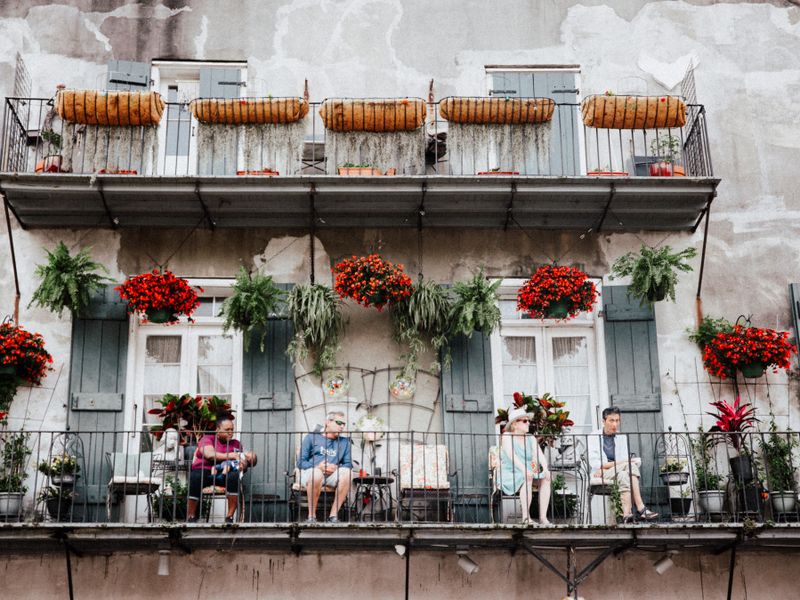
Iron-lace balconies in the French Quarter
Find Live Music Any Night
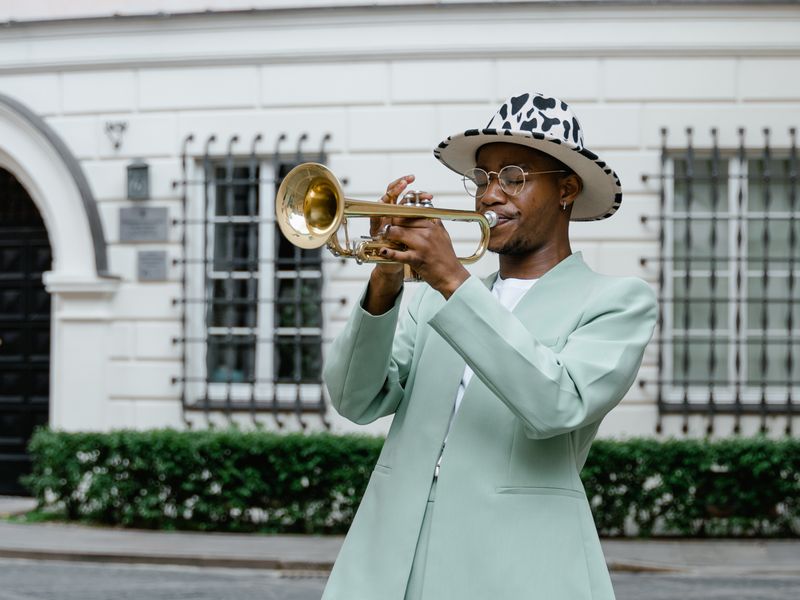
A street musician playing trumpet
To find what's on, check local music listings, radio station calendars, and venue websites, which list performances by night. Tipping musicians, buying a drink, or purchasing a CD supports the city's working artists. Respect the venues by listening during performances, especially in smaller rooms.
Whatever time of year you visit, take time to wander the city's neighbourhoods, from the colourful houses of the Bywater and Marigny to the oak-lined streets and mansions of the Garden District. Ride the historic St. Charles streetcar, explore Creole cottages and courtyards, and talk to locals, who are often happy to share their favourite places for music and food. These everyday experiences reveal the city's culture just as vividly as its famous festivals, and help you understand why New Orleans celebrates so joyfully.
Final Thoughts
To discover New Orleans' festivals, learn the calendar, plan around the big events like Mardi Gras and Jazz Fest, explore neighbourhood parades and second lines respectfully, and taste the food that makes each celebration special. Book early, stay safe in crowds, and you'll experience a city where culture spills joyfully into the streets.