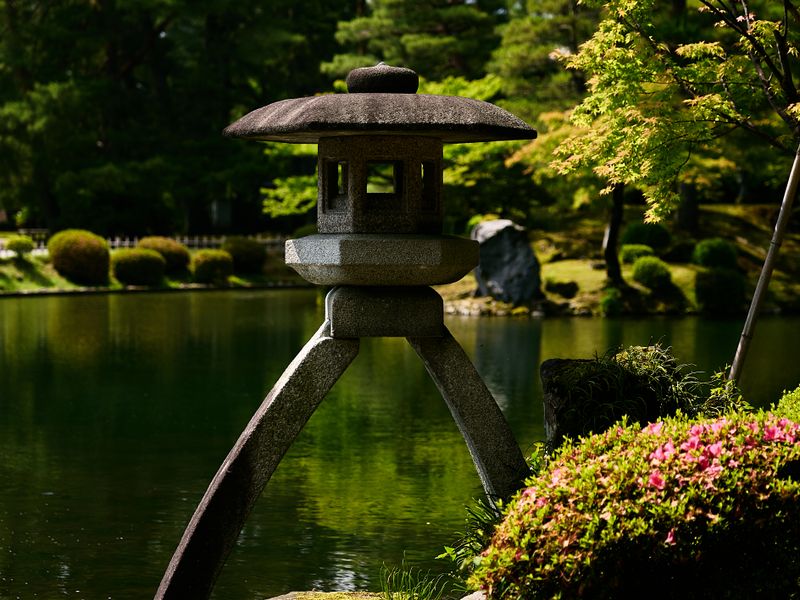
Kanazawa preserves the atmosphere of feudal Japan
With the Hokuriku Shinkansen connecting it to Tokyo in around two and a half hours, Kanazawa is easy to reach. This guide shows you where to see samurai history, how to plan your time, and what else makes the city special.
A Little History
During the Edo period (1603–1868), Japan was ruled by the shogun, while regional lords called daimyo governed domains with the help of samurai retainers. The Maeda clan ruled the Kaga domain from Kanazawa and invested heavily in arts, crafts, and gardens. Samurai lived in districts near the castle, in houses ranked by status, surrounded by earthen walls. Understanding this background makes walking the streets far more meaningful.
Step 1: Plan Your Route
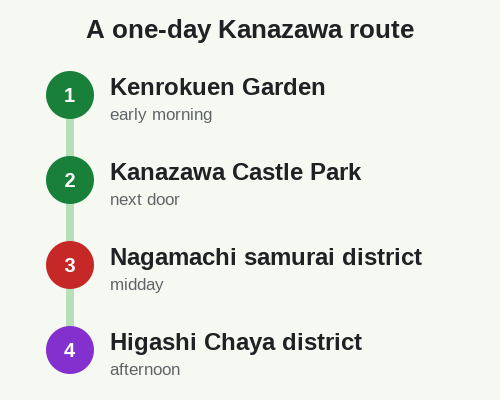
The main sights are close together
Step 2: Walk the Nagamachi Samurai District
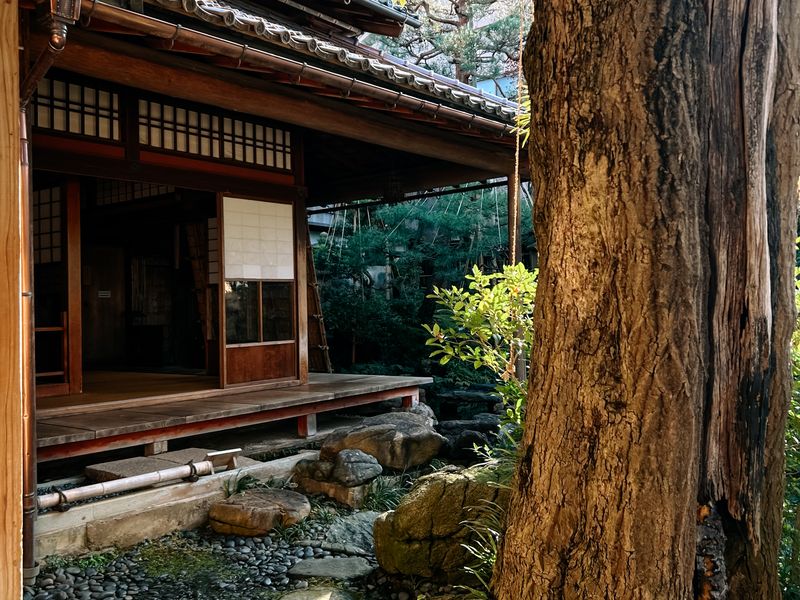
A traditional Japanese house with a garden
- Atmosphere: narrow lanes lined with earthen walls topped with tiles, small canals, and traditional gates, where middle- and upper-ranking samurai once lived.
- Nomura Family Samurai House: a restored samurai residence with tatami rooms, painted screens, displays of armour, and a small, exquisite garden with a pond.
- Other houses and museums: small residences and museums show how samurai families lived, worked, and dressed.
- Winter detail: straw mats called komo are hung on walls in winter to protect them from snow, a distinctive seasonal sight.
Visit early or late
Nagamachi is a residential area, and its lanes are most atmospheric when quiet. Visit early in the morning or late afternoon, speak softly, and respect private homes.
Step 3: Explore Kenrokuen and the Castle
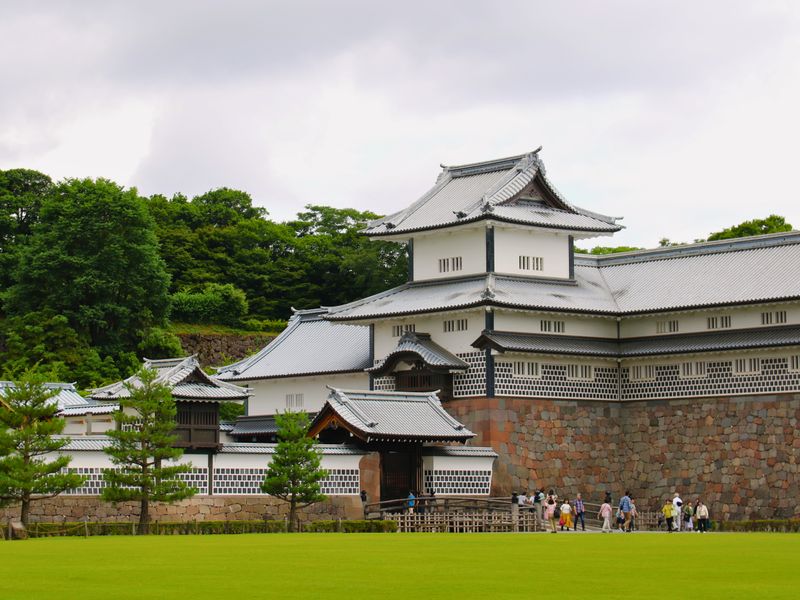
Kanazawa Castle
Step 4: Discover More Samurai-Era Sites
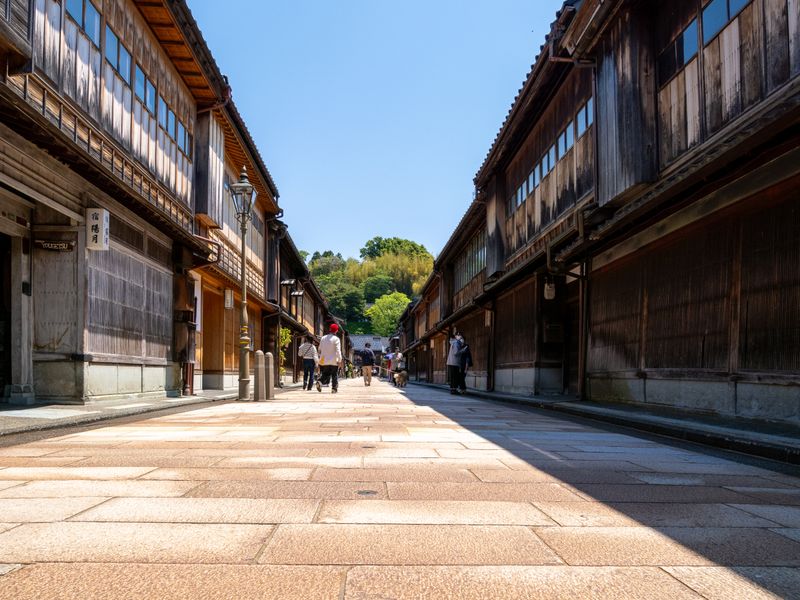
The historic Higashi Chaya teahouse district
- Myoryu-ji ("Ninja Temple"): a temple full of hidden stairways, trap doors, and secret rooms designed for defence. Tours are guided and usually need advance booking.
- Higashi Chaya district: beautifully preserved teahouse streets where geisha entertained wealthy patrons; some teahouses are open to visitors.
- Gold leaf: Kanazawa produces the vast majority of Japan's gold leaf; visit a workshop to see it made, or try gold-leaf ice cream.
- Omicho Market: a lively market selling fresh seafood from the Sea of Japan since the Edo period.
Step 5: Practical Tips
- Getting there: take the Hokuriku Shinkansen from Tokyo, or limited express trains from Osaka and Kyoto.
- Getting around: walk between central sights, or use the city's tourist loop buses and day passes.
- How long to stay: one full day covers the highlights; two days allows museums, crafts, and a relaxed pace.
- Seasons: spring blossoms and autumn colours are beautiful; winter brings snow and yukitsuri; summer is green and lively.
- Etiquette: remove shoes where asked in historic houses and follow photo rules inside.
Check opening hours
Historic houses, museums, and teahouses have their own opening hours and closing days, and some close for maintenance. Check official websites before your visit to avoid disappointment.
Taste Kanazawa

Fresh seafood at a Kanazawa fish market
Where to Stay and Extend Your Trip
Staying near Kanazawa Station is convenient for arriving and departing by train, with plenty of hotels and easy bus connections to the historic districts. For a more atmospheric experience, look for traditional inns, called ryokan, or guesthouses near Higashi Chaya or the castle, where you can explore the quiet streets early in the morning and in the evening.
Kanazawa is also a great base for nearby day trips. The historic villages of Shirakawa-go and Gokayama, famous for their steep thatched-roof farmhouses and UNESCO listing, can be reached by bus. The Noto Peninsula offers dramatic coastline and rural scenery, and the hot spring towns of the Kaga area are popular for relaxing soaks. Check current transport and access before planning trips, as schedules and conditions can change.
Combining Kanazawa with Kyoto, Takayama, or Tokyo makes an excellent itinerary through central Japan. With good planning, you can experience samurai heritage, traditional villages, temples, and modern cities in a single, varied trip.
Kanazawa is also a city of crafts. Beyond gold leaf, look for Kutani porcelain with its bold colours, Kaga yuzen silk dyeing, and lacquerware. Many workshops and shops offer short hands-on experiences, such as decorating chopsticks with gold leaf, which make memorable souvenirs and support traditional artisans who keep these skills alive.
Buying directly from workshops ensures quality and authenticity.
Many of these craft traditions date back to the Maeda clan's patronage of the arts.
Final Thoughts
Experiencing samurai heritage in Kanazawa means walking the quiet lanes of Nagamachi, stepping inside a restored samurai house, exploring Kenrokuen Garden and the castle, and discovering hidden-room temples, teahouses, and gold-leaf crafts. Plan a compact route, visit early, and you'll feel the spirit of feudal Japan in one of its best-preserved cities.