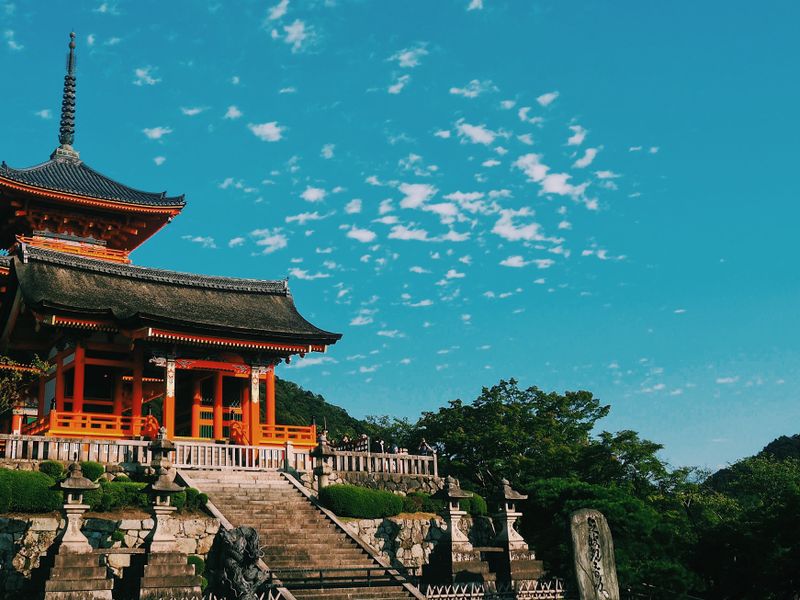
Kyoto has well over a thousand temples and shrines
With so many choices and so many visitors, it helps to plan. This guide explains the key temples and shrines, how to group them by area, how to avoid the worst crowds, and how to visit respectfully.
Temples vs Shrines
- Buddhist temples (tera or -ji): often have large wooden halls, pagodas, statues of the Buddha, incense burners, and carefully designed gardens.
- Shinto shrines (jinja): marked by torii gates, they honour kami, or spirits, and often have purification basins and hanging prayer plaques called ema.
Many Japanese people visit both, and you'll often find them side by side.
Step 1: Choose Your Highlights
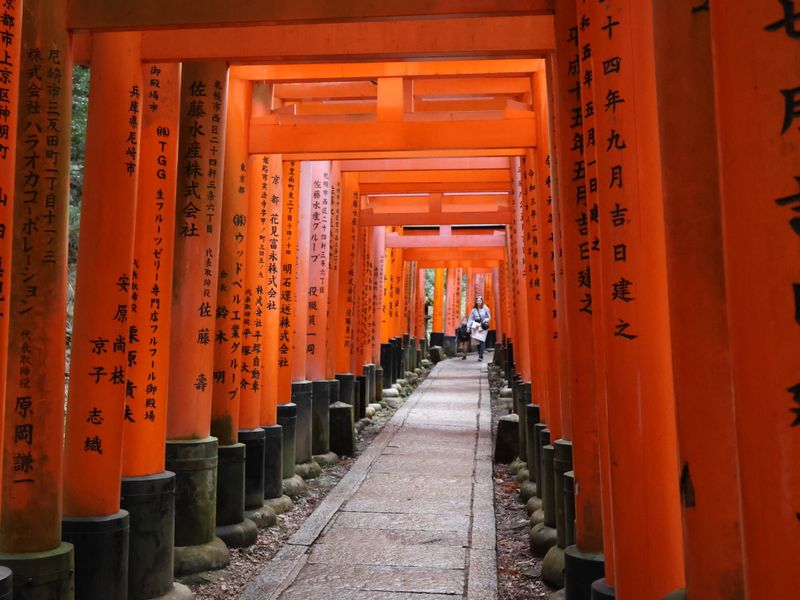
The torii gate path at Fushimi Inari Taisha
- Fushimi Inari Taisha: famous for thousands of vermilion torii gates winding up Mount Inari. The grounds are open around the clock.
- Kiyomizu-dera: a hillside temple with a large wooden stage offering views over the city, surrounded by historic streets.
- Kinkaku-ji: the Golden Pavilion, covered in gold leaf and reflected in a pond.
- Ginkaku-ji: the Silver Pavilion, with a quieter atmosphere and sand garden, at the start of the Philosopher's Path.
- Ryoan-ji: home to Japan's most famous Zen rock garden.
- Tenryu-ji: a major Zen temple in Arashiyama, next to the bamboo grove.
- Sanjusangen-do: a long hall containing 1,001 statues of the goddess Kannon.
Step 2: Plan by Area
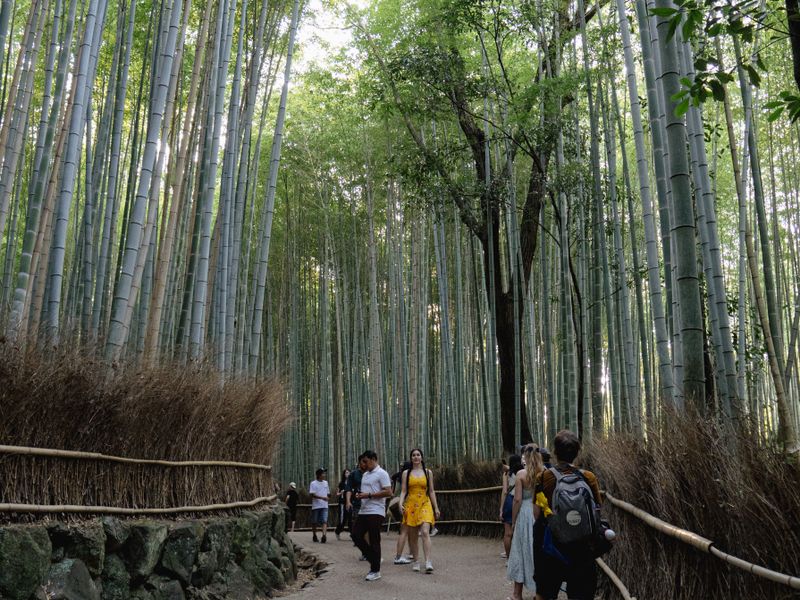
The bamboo grove walkway in Arashiyama
- Southern Higashiyama: Kiyomizu-dera, Sannenzaka and Ninenzaka streets, Kodai-ji, and Yasaka Shrine near Gion.
- Northern Higashiyama: Ginkaku-ji, the Philosopher's Path, and Nanzen-ji.
- North-west: Kinkaku-ji, Ryoan-ji, and Ninna-ji.
- Arashiyama: Tenryu-ji, the bamboo grove, and Okochi Sanso.
- South: Fushimi Inari, a short train ride from central Kyoto.
Go early
Popular sights are far quieter right after opening. Start your day at Fushimi Inari or Kiyomizu-dera early in the morning, then visit less famous temples in the afternoon when the big sites are busiest.
Step 3: Follow Temple and Shrine Etiquette
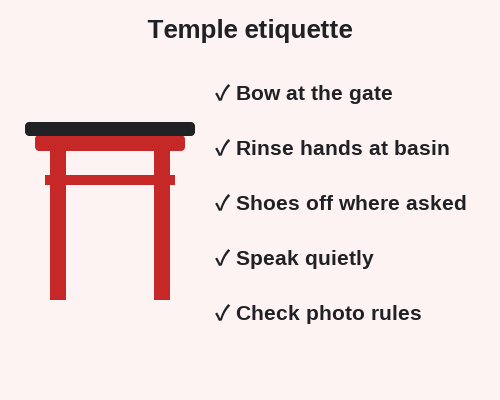
Simple courtesies show respect
- Bow slightly when passing through the main gate or torii.
- At shrines, purify your hands and mouth at the water basin by rinsing with the ladle, without drinking directly from it.
- Remove shoes when entering halls where shoes are set aside, and wear socks you're happy to show.
- Speak quietly and follow photo signs; photography is often not allowed inside halls.
- Don't touch statues or step on raised thresholds.
Step 4: Collect Goshuin Stamps
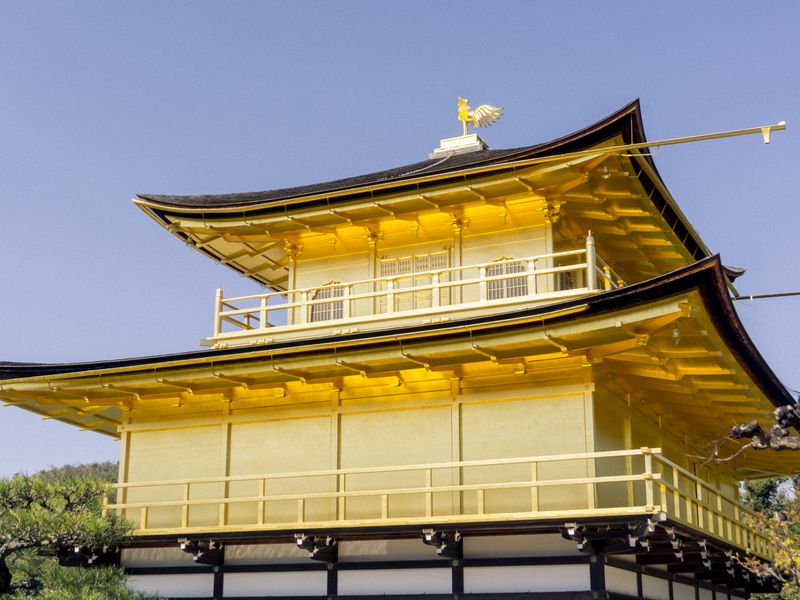
Kinkaku-ji, the Golden Pavilion
Step 5: Get Around Efficiently
- Trains and subway: often faster than buses for reaching Fushimi Inari, Arashiyama, and central areas.
- Buses: cover the whole city but can be very crowded and slow near major sights.
- Walking: the best way to explore Higashiyama's temples and streets.
- Cycling: Kyoto is fairly flat; rental bikes are a great option, but follow parking rules.
- IC cards: rechargeable transport cards work on trains and buses. Our guide on using metro or bus systems has more tips.
Respect Gion's residents
In the Gion district, never chase or photograph geiko and maiko without permission, and respect signs restricting access to private lanes. Fines may apply in some areas for ignoring these rules.
Best Seasons to Visit
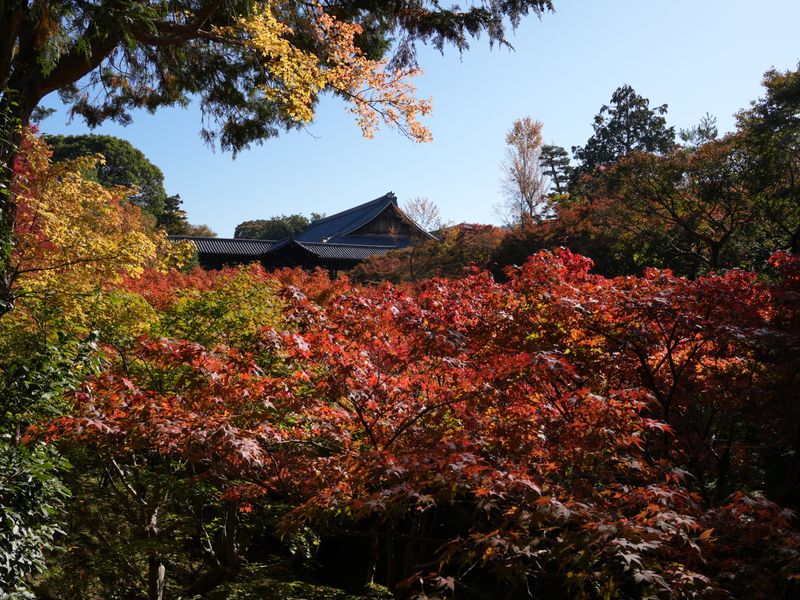
Autumn colours at Tōfuku-ji temple
Where to Stay and How Long
Most visitors spend at least two or three full days in Kyoto to see its major temples without rushing, and many stay longer to explore quieter areas. Staying near Kyoto Station is practical for day trips and arrivals, with excellent train connections. Staying in central areas such as Gion, Higashiyama, or near Shijo puts you within walking distance of many temples, restaurants, and evening strolls.
For a traditional experience, consider spending a night in a ryokan, a Japanese inn with tatami rooms, futons, and often a seasonal dinner and breakfast. Some temples also offer shukubo, temple lodging, where guests can join morning prayers and enjoy vegetarian Buddhist cuisine. Book early, especially for spring and autumn.
Kyoto also makes a good base for day trips. Nara, with its giant Buddha and friendly deer, is less than an hour away by train. Osaka's food scene, Uji's green tea, and the sake breweries of Fushimi are all easy to reach, adding variety to your trip.
Whenever you visit, take time to slow down. Sitting quietly in a temple garden, sipping matcha in a teahouse, or wandering a moss-covered path at dusk often becomes the most memorable part of a Kyoto trip, more than ticking off famous names on a list.
Bring comfortable shoes, as visiting temples often involves stairs, gravel paths, and long walks between halls and gardens.
Carry a small towel and coins for offerings, and keep some cash, as smaller temples may not accept cards.
Final Thoughts
Exploring Kyoto's temples is about choosing a few highlights, grouping them by area, starting early, and moving efficiently by train, bus, foot, or bike. Follow simple etiquette, collect goshuin as meaningful mementos, and balance famous sights with quieter temples. Kyoto rewards slow, respectful exploration with moments of real peace.