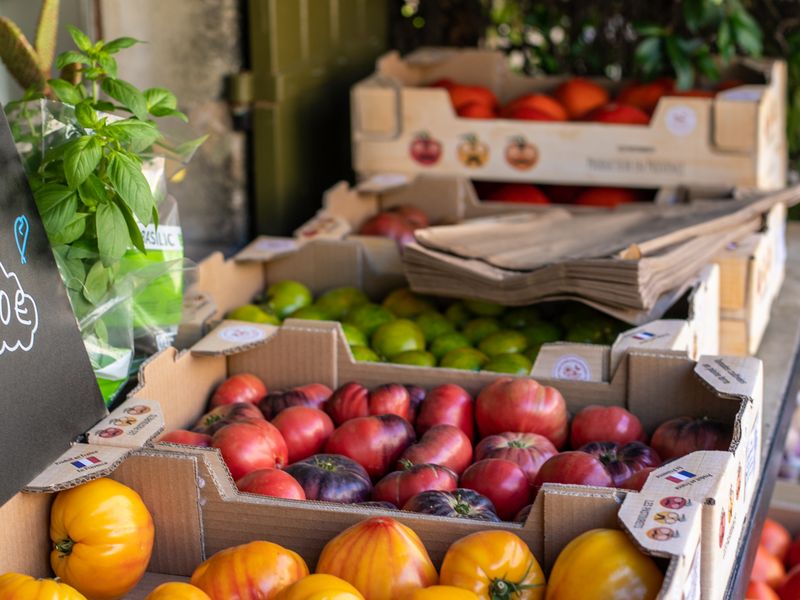
Markets are the heart of Provençal food culture
This guide explains how to choose markets, what to look for in each season, how to shop like a local, and which Provençal dishes to try, so your trip tastes as good as it looks.
Step 1: Choose Your Market Towns
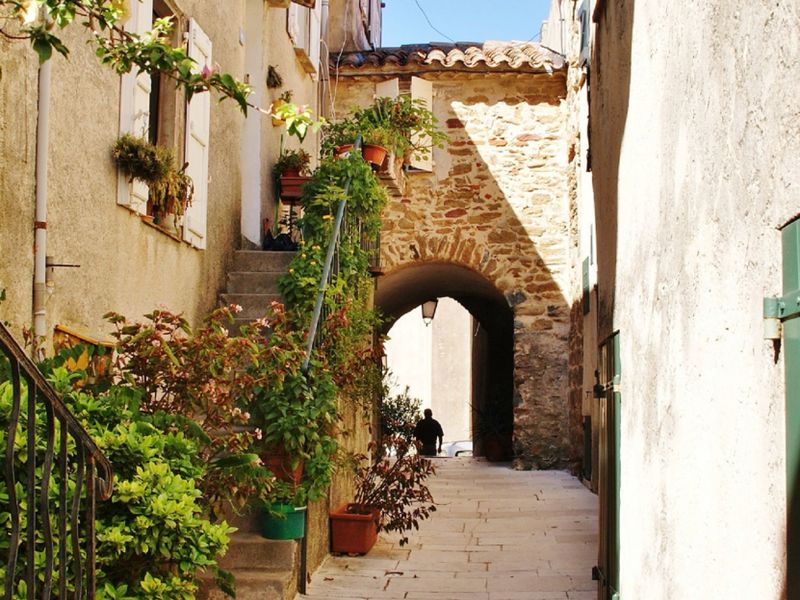
A narrow village street in Provence
- Aix-en-Provence: markets most mornings, with a food market and larger markets on certain days, plus flower and craft stalls in elegant squares.
- Arles: one of the largest markets in Provence, held along the boulevards, traditionally on Saturdays and Wednesdays.
- L'Isle-sur-la-Sorgue: a Sunday market famous for food and antiques beside canals and water wheels.
- Saint-Rémy-de-Provence: a lively Wednesday market in a charming town associated with Van Gogh.
- Apt and Lourmarin: beautiful Luberon village markets, ideal for local produce and crafts.
Market days can change, so confirm current days and times with local tourist offices before you plan your route.
Step 2: Shop Like a Local
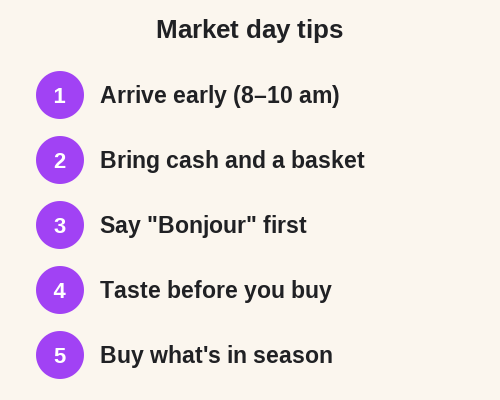
A little etiquette goes a long way
- Greet stallholders with "Bonjour" before asking for anything, and say "Merci, au revoir" when you leave.
- Don't squeeze the fruit: let the stallholder choose for you, and tell them when you plan to eat it.
- Bring cash and a basket or bag, although many stalls now accept cards.
- Taste when offered: cheese, olive, and charcuterie sellers often offer samples.
- Look for local producers, sometimes marked "producteur", who sell what they grow or make.
Step 3: Buy What's in Season
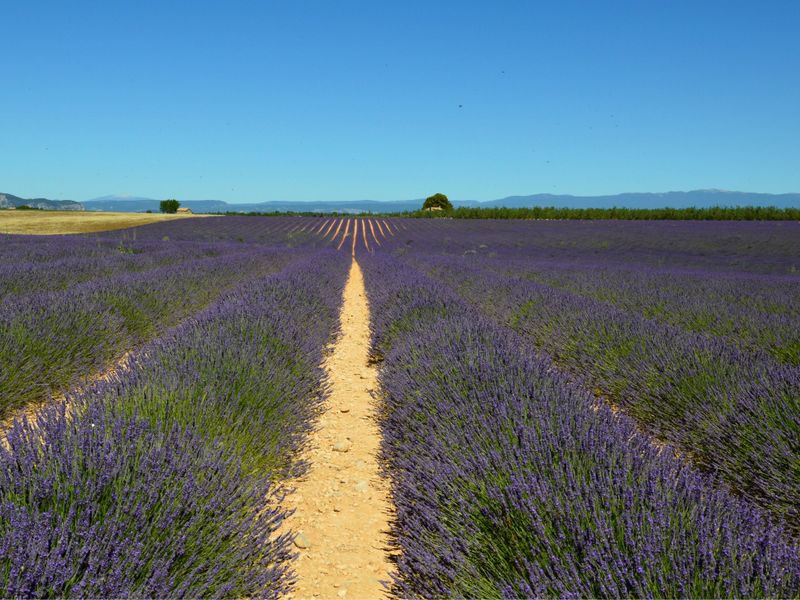
Lavender fields in bloom in summer
- Spring: asparagus, strawberries, cherries, and fresh goat's cheese.
- Summer: tomatoes, courgettes, aubergines, peaches, apricots, and the famous Cavaillon melons. Lavender blooms roughly from late June to early August, depending on altitude.
- Autumn: figs, grapes, mushrooms, and the olive harvest, which brings fresh olive oil from late autumn.
- Winter: black truffles in some markets, citrus, and hearty vegetables.
Plan a market picnic
Buy bread, cheese, tomatoes, olives, and fruit at the market, then picnic in a village square, vineyard, or by a river. It's one of the simplest and most delicious ways to enjoy Provence.
Step 4: Taste Provençal Dishes
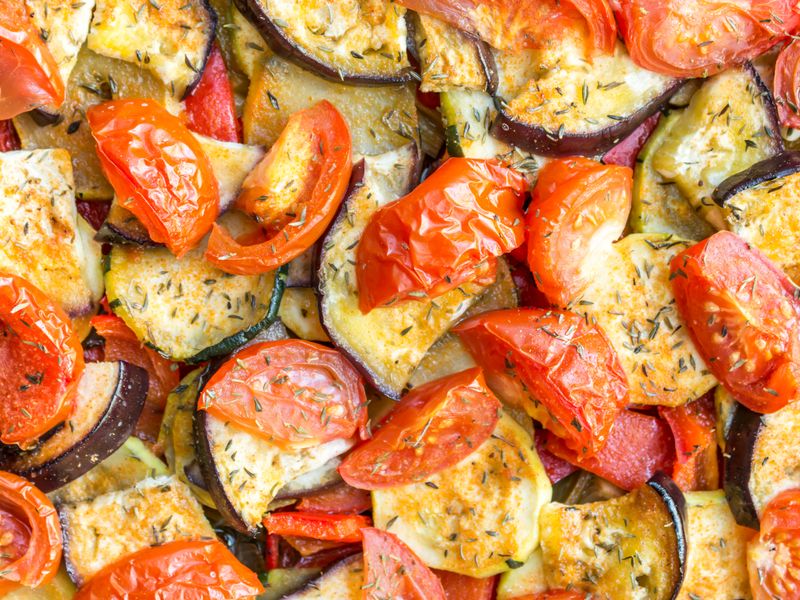
Fresh ratatouille with summer vegetables
- Ratatouille: slow-cooked summer vegetables with olive oil and herbs.
- Tapenade: a spread of olives, capers, and anchovies.
- Bouillabaisse: the famous fish stew of Marseille.
- Socca and pissaladière: chickpea pancake and onion tart, especially around Nice.
- Calissons: almond and candied-melon sweets from Aix-en-Provence.
- Rosé wine: Provence is world famous for it; drink responsibly and never drink and drive.
Step 5: Plan a Food-Focused Trip
Base yourself in a town such as Aix-en-Provence, Avignon, or a Luberon village, and plan your days around market schedules. A car gives the most flexibility for reaching small villages, though buses and trains connect larger towns. Add cooking classes, olive oil mill tours, winery visits, and lavender farm visits for a fuller taste of the region. Our guide on renting a car has practical tips for driving abroad.
Summer heat and crowds
July and August are hot and very busy. Shop early, carry water, wear a hat, and keep perishable foods cool in the car. Spring and early autumn offer milder weather and calmer markets.
Bring Provence Home
Markets are perfect for edible souvenirs: herbes de Provence, lavender honey, olive oil, tapenade, nougat, and calissons travel well. Provençal fabrics, olive-wood utensils, and natural soaps from Marseille make lovely gifts. Check your home country's customs rules for bringing food, especially cheese and meat products, before you buy.
Learn to Cook Provençal Food
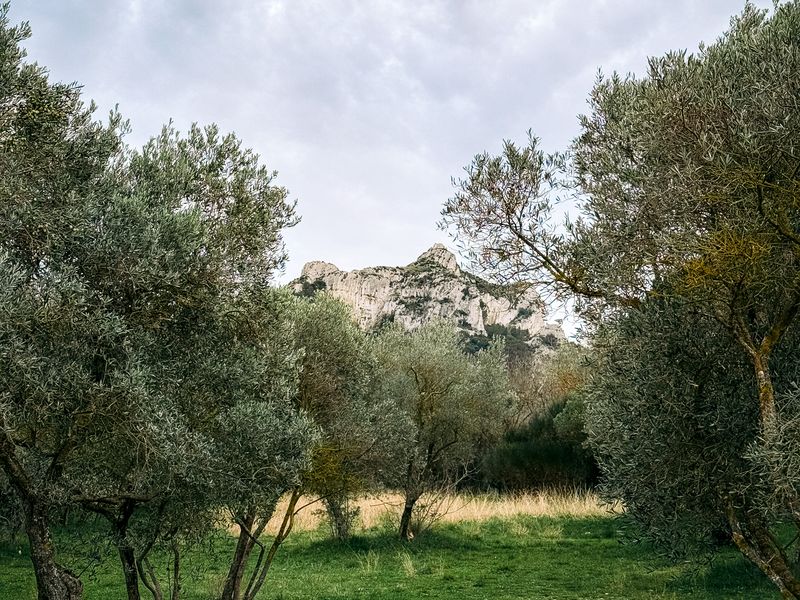
An olive grove in the Provençal hills
Olive oil mills, vineyards, goat cheese farms, and lavender distilleries also welcome visitors, often with tastings and short tours explaining how products are made. Booking ahead is wise, especially in summer, and many smaller producers have limited opening hours.
When you return home, look for good-quality olive oil, fresh herbs, and seasonal vegetables to recreate the flavours of Provence. Simple dishes made with great ingredients are the essence of Provençal cooking, and they're easy to prepare in any kitchen.
Food festivals add another layer to a trip. Many towns hold celebrations for local produce, such as garlic, melons, wine, truffles, or olives, with tastings, music, and parades. Local tourist offices publish event calendars, so check what's on during your stay.
Wherever you go in Provence, take time to enjoy long, relaxed meals, which are a cherished part of local life. Lunch is often the main meal of the day, and many restaurants offer good-value set menus at midday. Sitting on a shaded terrace in a village square, with local produce on your plate, is the perfect way to understand why food is at the heart of Provençal culture.
Book popular restaurants ahead in summer, and remember that many close between lunch and dinner service.
Slow travel suits Provence perfectly and rewards patience: fewer places, longer lunches, and more time in each village.
Final Thoughts
Enjoying Provence's markets and cuisine is about slowing down: choose a few market towns, arrive early, greet stallholders, buy what's in season, and turn your shopping into picnics and home-cooked meals. Add local dishes, cooking classes, and village wanderings, and you'll experience the region the way locals do, one delicious market at a time.