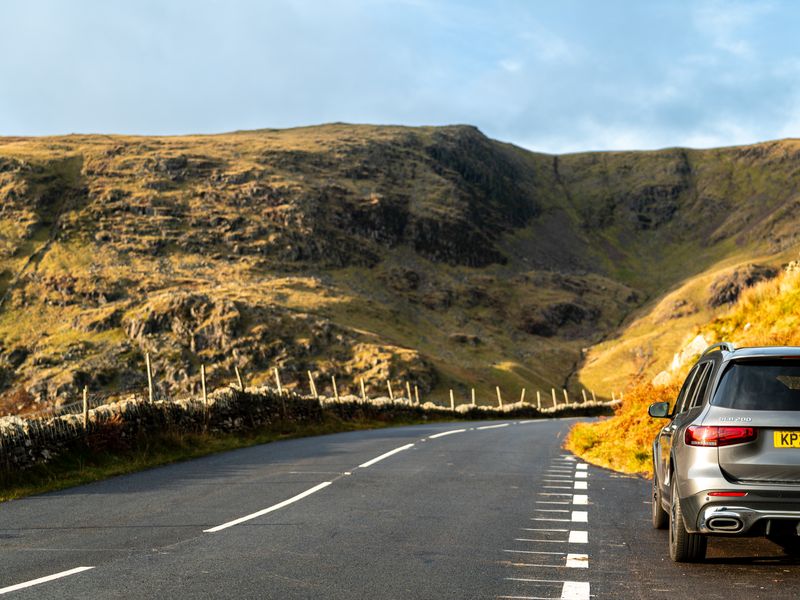
A scenic view of a mountain road with a parked car during autumn
This guide walks you through renting a car from booking to return, so the price you expect is the price you pay.
Step 1: Compare and Book in Advance
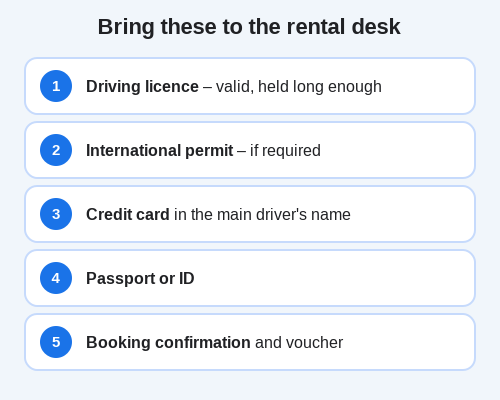
Missing documents can stop you collecting the car
- Book early, especially in peak season, when cars can sell out and prices rise.
- Compare the total price, including taxes, airport fees, one-way fees, young or additional driver fees, and extras such as child seats.
- Choose the right car size for passengers and luggage, and decide between manual and automatic, which isn't standard everywhere.
- Check the mileage policy, since some rentals limit distance per day.
- Read the fuel policy. "Full to full" is usually the fairest; prepaid fuel options can cost more.
- Check reviews of the specific rental branch, not just the brand.
Step 2: Understand Insurance and Deposits
Rental prices usually include basic cover required by law, but often with a high excess, the amount you pay if the car is damaged or stolen.
- Excess reduction offered at the desk lowers or removes your excess, but can be expensive.
- Standalone excess insurance, bought separately before your trip, is often cheaper. You'd pay the rental company first and claim back.
- Check your credit card and travel insurance; some include rental car cover.
- Security deposit: most companies block an amount on a credit card in the main driver's name. Debit cards may not be accepted, or may need extra cover.
Know what's excluded
Damage to tyres, windscreen, roof, and underside is sometimes excluded from basic cover. Read what's covered before you decline or accept extra insurance at the desk.
Step 3: Bring the Right Documents
- A full, valid driving licence, often held for at least one or two years
- An International Driving Permit if the destination requires it or your licence isn't in a recognised language or alphabet
- A credit card in the main driver's name with enough available credit for the deposit
- Your passport or national ID
- Your booking confirmation or voucher
Check age rules too. Drivers under around 25 or over 70 may pay extra or face restrictions with some companies.
Step 4: Inspect the Car at Pickup
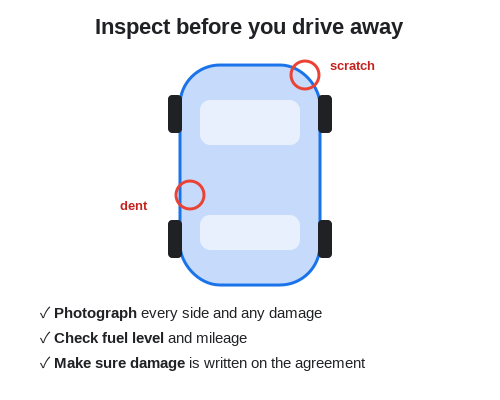
Photos protect you from unfair damage charges
- Take a video and photos of all sides, wheels, windscreen, roof, and interior, with time stamps.
- Record the fuel level and mileage.
- Check lights, wipers, air conditioning, and that the spare tyre or repair kit is present.
- Learn the controls and how to open the fuel cap before you leave the car park.
Step 5: Drive Carefully and Return Correctly
- Learn local driving rules, such as speed limits, road tolls, and low-emission zones, which may be charged to you later with admin fees.
- Refuel near the drop-off on full-to-full policies and keep the receipt.
- Return on time; late returns can be charged as an extra day.
- Photograph the car again at return, including fuel and mileage, and ask for a written check-in or confirmation.
- Check your card statement afterwards for unexpected charges, and dispute any you don't recognise.
If you have an accident
Make sure everyone is safe, contact emergency services if needed, then call the rental company's emergency number. Take photos and details of other vehicles and witnesses, and follow the rental company's procedure for reports.
Driving a Rental Car Abroad
Renting a car in another country gives you freedom to explore, but driving rules and conditions can be very different from home. Prepare before you travel:
- Check licence requirements: some countries require an International Driving Permit alongside your normal licence. Apply for one in your home country before you leave.
- Learn local road rules: which side of the road to drive on, speed limits, priority at junctions and roundabouts, and rules on headlights and mobile phones.
- Know about tolls and low-emission zones: many motorways charge tolls, and some cities restrict older or non-registered vehicles. Ask the rental company how tolls are paid and whether the car has an electronic tag.
- Carry required equipment: some countries require warning triangles, high-visibility vests, or spare bulbs in the car. Check that the rental vehicle includes them.
- Choose automatic if unsure: if you normally drive automatic, book one in advance, as manual cars are standard in many countries.
- Plan cross-border trips: tell the rental company if you plan to cross borders; extra fees or paperwork may apply, and some companies don't allow it.
Use a navigation app with offline maps downloaded, as mobile data may be expensive or unreliable. Plan fuel stops on long routes, especially in rural areas where stations are far apart or close early. Find out whether the car uses petrol, diesel, or electricity before your first refuel; putting the wrong fuel in a car can cause expensive damage that insurance may not cover.
If you have an accident or breakdown, stay calm, move to safety, and call the rental company's emergency number, usually found on the key fob or in the glovebox. Take photos, exchange details with other drivers, and contact local police if required. Don't sign documents in a language you don't understand without asking for a translation.
Fines for speeding or parking can follow you home: rental companies often pass them on with an administration fee. Drive carefully, park legally, and keep receipts for any parking or tolls you pay.
Final Thoughts
Renting a car smoothly comes down to preparation: compare the full price, understand insurance and deposits, bring the right documents, photograph the car at pickup and return, and follow the fuel and return rules. Do this and your rental car will be a convenience, not a surprise bill. If you're thinking about owning a car instead, see our guide on buying a used car.