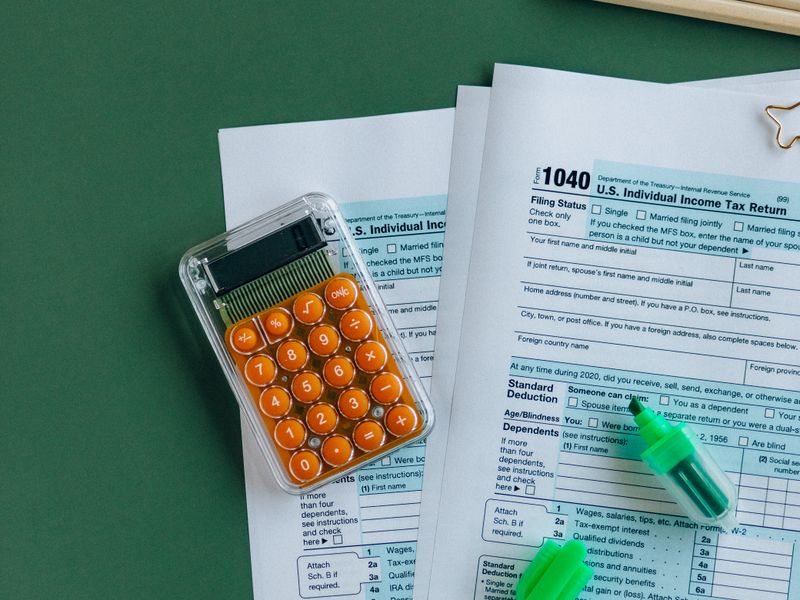
Tax forms with calculator, pencils, and markers on green surface
This guide covers the general steps for submitting tax forms through official channels. For a deeper walk-through of filing an income tax return online, see our guide on how to file taxes online.
Step 1: Find Out Which Forms Apply to You
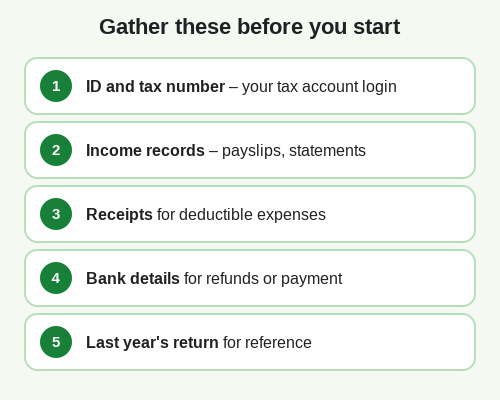
Preparation makes filing quicker and more accurate
Your national tax authority's website explains who must file and which forms to use. Common situations include:
- Employees: in some countries tax is fully handled through payroll; in others you must file an annual return.
- Self-employed people and freelancers: usually must file a return and may need to make advance or quarterly payments.
- Landlords and investors: often need to report rental income, dividends, interest, or gains.
- Businesses: may need to file sales tax or VAT returns, payroll reports, and company returns.
- People with foreign income or who moved countries: may have extra reporting duties.
If you're unsure, the tax authority's eligibility checker or helpline is the safest place to ask. Missing a required form can lead to penalties even if you owe no tax.
Step 2: Gather Your Records
- Your tax identification number and login for the official tax portal
- Income records: employer year-end statements, payslips, invoices, bank interest, and investment statements
- Expense and deduction records: receipts for allowable business costs, pension or retirement contributions, charitable donations, and other items your country allows
- Tax already paid, such as tax withheld by an employer or advance payments
- Bank details for receiving a refund or paying tax due
- Last year's return, which is a helpful reference
Keep records all year
A simple folder, digital or paper, where you drop income statements and receipts as they arrive makes tax time far easier. Scan paper receipts, as they can fade over time.
Step 3: Fill In and Submit Through Official Channels
Most tax authorities offer free online filing through their own portal, and some pre-fill parts of the form with information from employers and banks. You can also use approved tax software or a qualified tax professional.
- Log in through the tax authority's official website, not through links in emails or text messages.
- Check any pre-filled figures against your own records; they can be incomplete.
- Enter figures carefully and use the correct tax year.
- Claim only what you're entitled to, and keep evidence for every deduction.
- Review the summary before submitting, then save the confirmation and reference number.
Beware of tax scams
Tax authorities rarely contact people out of the blue by text or social media asking for payment or bank details, and they don't demand payment by gift card or cryptocurrency. If a message claims you owe tax or are owed a refund, log in to your official account directly to check.
Step 4: Meet Deadlines and Pay What You Owe
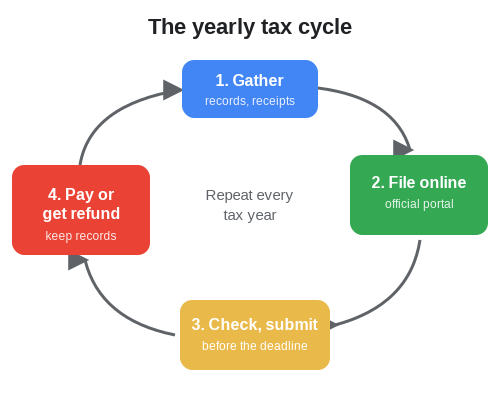
Tax is a yearly routine, not a one-off
- Note the filing and payment deadlines for your situation in your calendar, with a reminder a few weeks earlier.
- If you can't pay in full, contact the tax authority before the deadline. Many offer payment plans.
- If you'll miss a filing deadline for a good reason, check whether you can request an extension.
- Pay only through the official payment methods listed on the tax authority's website.
After You Submit
- Keep your records for as long as your country's law requires, often several years.
- Watch for messages in your official tax account about refunds, payments due, or requests for information.
- Correct mistakes quickly. Most systems let you amend a return within a set period; correcting an error yourself usually leads to lower penalties than having it found later.
- Update your details if you change address, bank account, or employment.
If your affairs are complicated, such as running a business, earning abroad, or selling property, a qualified accountant or tax adviser can help you file correctly and plan ahead.
Where to Get Trustworthy Help
Tax rules can be complicated, and getting help early is often cheaper than fixing mistakes later. Start with your tax authority's official website, which usually has guides, calculators, and contact details for help lines. Many authorities also offer online chat or appointments.
- Free help services: some countries run free tax assistance for people on low incomes, older people, or those with simple returns, often through community organisations or volunteers.
- Qualified professionals: for complex situations, such as self-employment, property income, or foreign income, consider a registered accountant or tax adviser. Check their qualifications and registration with a professional body.
- Software support: reputable tax software includes guidance and checks for common errors.
- Beware of scams: tax authorities don't threaten arrest by phone or ask for payment by gift card. Our guide on avoiding government service scams explains warning signs.
Whoever helps you, you remain responsible for the information you submit. Review everything before it's filed.
Finally, plan ahead for next year. Keep a folder where you add tax documents as they arrive, and note any changes in your circumstances, such as a new job, a move, or starting a side business, which may affect your forms.
Final Thoughts
Submitting tax forms correctly is mostly about organisation: know which forms apply to you, keep records through the year, file through official channels, check your figures, and meet your deadlines. When in doubt, ask the tax authority or a qualified professional rather than guessing.
Disclaimer
Waysily is an independent information website. We are not a government agency, we are not affiliated with any government, and we do not process applications or charge fees for any service. This guide gives general information only and is not legal, immigration, or tax advice. Rules, fees, and processing times differ between countries and change often, so always confirm requirements on your government's official website or with a qualified professional before you apply.