
Most household disagreements can be solved with a calm conversation
Problems start when conflict turns into shouting, sulking, or the same argument repeating for months. This guide gives you a practical, step-by-step approach to resolving conflicts at home calmly and fairly, along with tips for preventing them and knowing when outside help is the right choice.
Step 1: Understand What Usually Causes Conflict
Most household arguments come from a handful of common sources. Recognising them helps you spot patterns:
- Chores and fairness: one person feels they do more than their share of cleaning, cooking, or childcare.
- Money: different attitudes to spending, saving, and debt.
- Time and attention: feeling ignored because of work, phones, or other commitments.
- Rules and boundaries: bedtimes, curfews, screen time, guests, and privacy.
- Stress from outside: problems at work or school, health worries, or tiredness often spill over into arguments about small things.
Often the argument on the surface, such as a towel on the floor, is really about something deeper, such as feeling unappreciated. Keeping this in mind helps you solve the real problem.
Step 2: Cool Down Before You Talk
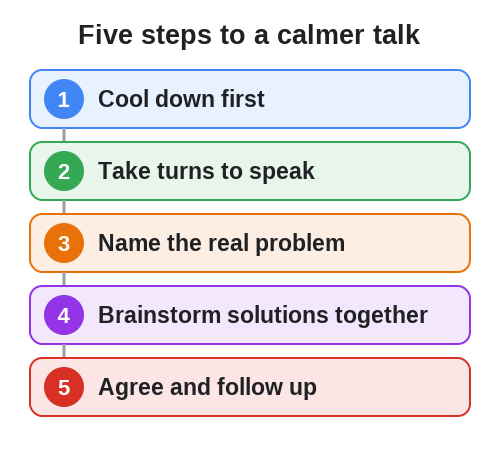
A simple process keeps arguments on track
- Say something like "I'm too upset to talk well right now. Can we come back to this in half an hour?"
- Use the break to calm down: walk, breathe slowly, drink water, or write down your thoughts.
- Agree a time to return to the conversation so the pause doesn't become avoidance.
- Avoid big discussions late at night, when people are hungry, or in front of guests.
Step 3: Take Turns to Speak and Listen
Sit down somewhere calm and agree a simple rule: one person speaks while the other listens, then you swap. Some families pass an object, such as a cushion, to show whose turn it is, which works especially well with children.
- Speaker: use "I" statements, such as "I feel stressed when the kitchen is messy before I cook," and stick to one issue.
- Listener: don't interrupt, defend, or plan your reply. Then summarise what you heard: "So you feel the kitchen should be clear by six?"
- Avoid words like "always" and "never", name-calling, sarcasm, and bringing up old arguments.
- Speak at a normal volume. If voices rise, pause again.
Same side of the table
Think of the problem, not each other, as the thing you're tackling. Some people find it helps to literally sit side by side and write the problem on a piece of paper between them.
Step 4: Find Solutions Together
Once everyone feels heard, work on solutions as a team:
- Name the real problem: agree in one sentence what you're trying to solve, such as "We need a fair way to share evening chores."
- Brainstorm ideas: list every possible solution without criticising them yet. Children often come up with surprisingly good ideas.
- Choose together: pick an option everyone can accept, even if it isn't anyone's first choice.
- Be specific: who does what, and when? "Sam washes up on weekdays, Priya on weekends" is clearer than "We'll share it."
- Review it: agree to check in after a week or two and adjust if it isn't working.
Written agreements, such as a chore chart or screen-time plan on the fridge, prevent arguments about what was agreed. Our guide on improving family communication explains how regular family meetings can keep these plans on track.
Step 5: Help Children Resolve Their Own Conflicts
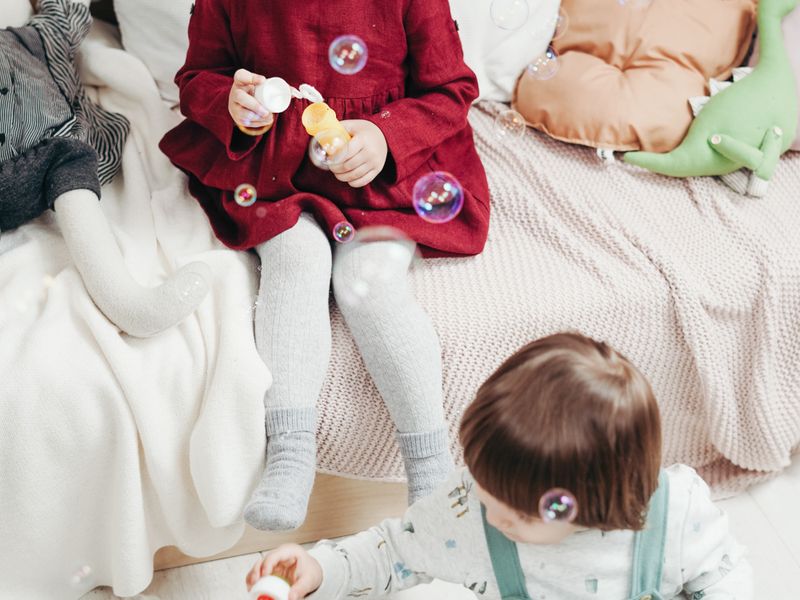
Siblings playing happily together
- Separate them briefly if things are heated, so everyone can calm down.
- Let each child describe what happened and how they feel, without interruption.
- Ask "What could you do so you're both happy?" and help them choose a fair solution.
- Praise them when they solve a disagreement well.
- Step in firmly if there is hitting, bullying, or one child is always on the losing side.
Children also learn by watching adults. When parents disagree respectfully and make up afterwards, children see that conflict can be handled safely.
Prevent Conflict and Know When to Get Help
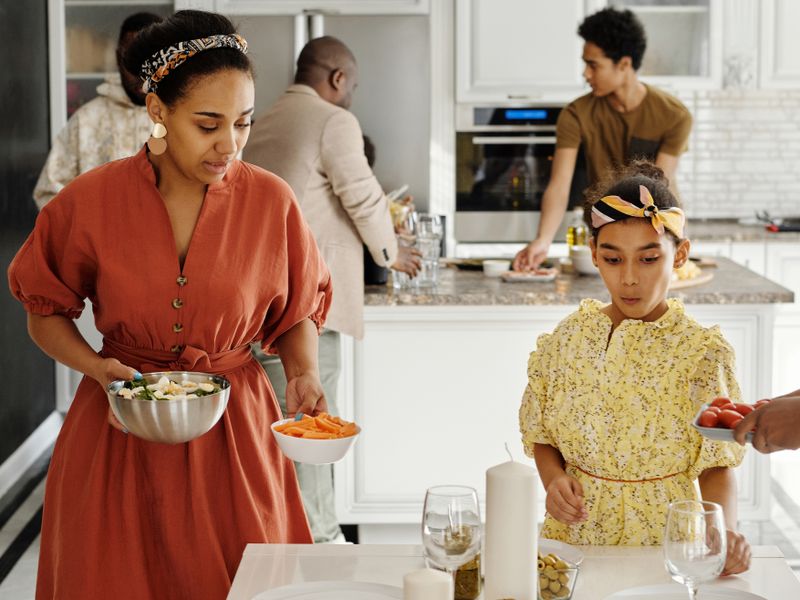
Sharing household jobs fairly prevents many arguments
Apologise sincerely when you get it wrong. A real apology names what you did, acknowledges how it affected the other person, and says what you'll do differently. Accepting apologies graciously matters just as much.
If the same conflict keeps returning, or arguments are affecting everyone's wellbeing, a family therapist, couples counsellor, or community mediation service can help. A neutral person often helps families hear each other in a new way.
Conflict is different from abuse
Healthy conflict never involves violence, threats, intimidation, or controlling behaviour. If anyone in your home is being hurt, threatened, or is afraid, contact local emergency services or a domestic abuse helpline. Your safety, and the safety of children, comes first.
Final Thoughts
To resolve conflicts at home, understand what's really behind the argument, cool down before you talk, and take turns speaking and listening with "I" statements. Name the real problem, brainstorm solutions together, agree specific actions, and review them later. Coach children to solve their own disagreements, prevent conflict with fairness and appreciation, and seek outside help when patterns feel stuck. Calm, fair conflict resolution makes home a safer and happier place for everyone.