
Knowing where to ask saves time and stress
Knowing where to start can be confusing, especially if you've just moved. This guide explains how to work out which kind of service you need, where to find reliable providers, how to check that they're trustworthy, and how to make your request so it's handled quickly.
Step 1: Define Exactly What You Need
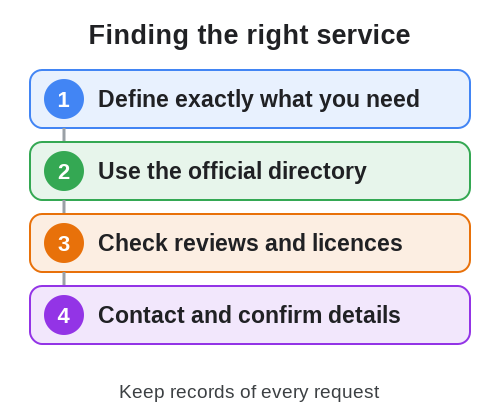
A clear request gets a faster answer
- Public services: waste collection, roads and street lighting, parking permits, council tax or local rates, libraries, planning, and social care are usually run by your local authority.
- Health services: registering with a doctor, dentist, or pharmacy, and finding urgent care outside opening hours.
- Community and charity services: food banks, advice centres, support for carers, youth services, and help for older people or people with disabilities.
- Private services: tradespeople, cleaners, childcare, tutors, removals, and repairs.
If it's an emergency, such as a gas leak, fire, crime in progress, or serious injury, call your local emergency number immediately rather than searching online.
Step 2: Use Official Directories First
Official sources are the safest place to start, because they list genuine providers and explain how to apply.
- Your council or municipality website: most have an A to Z of services, online forms for reporting problems, and contact details for each department.
- National government portals: many countries have a single website for official services, such as benefits, licences, and documents. Our guides on filling in government forms online explains the process.
- Health service directories: official health websites let you search for nearby doctors, pharmacies, and clinics.
- Community service directories: libraries, advice centres, and charity networks often keep lists of local support organisations.
- Trade association registers: many trades have official or industry registers of qualified and insured members.
Ask at the library
Librarians are experts at finding information and often know exactly which local office, charity, or service can help. Many libraries also offer free computer access and help with online forms.
Step 3: Check Credentials and Reviews
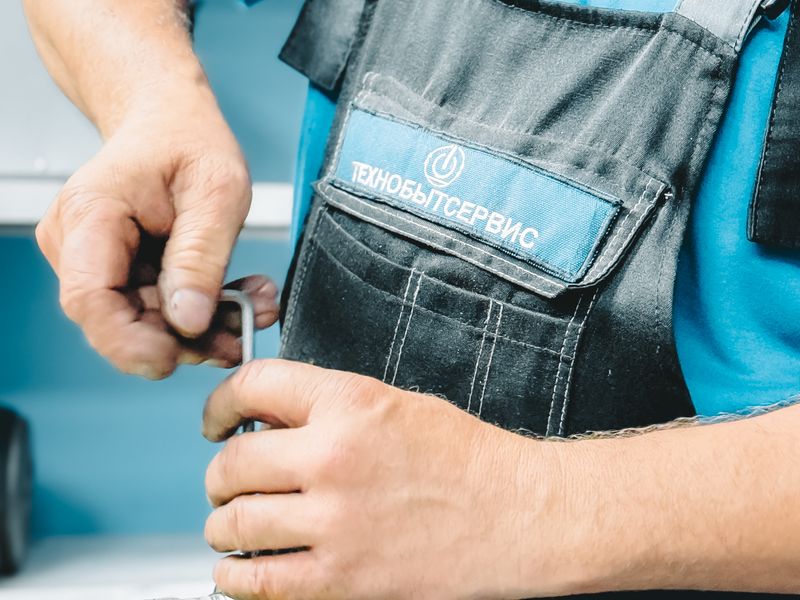
A qualified plumber repairing a pipe
- Licences and qualifications: gas engineers, electricians, childcare providers, and many other trades must be registered or licensed. Check the official register, not just a logo on a website.
- Insurance: ask whether the business has liability insurance in case something goes wrong.
- Reviews: read several reviews across more than one platform, and look for detailed comments rather than star ratings alone.
- Recommendations: ask neighbours, friends, and local community groups who they've used and would use again.
- Physical address and contact details: genuine businesses are usually easy to contact and happy to answer questions.
Beware of doorstep and cold-call offers
Be cautious of people who knock on your door offering urgent repairs, pressure you to decide immediately, or ask for large cash payments upfront. Take their details, check them independently, and never let anyone into your home if you feel unsure.
Step 4: Compare Options and Quotes
For paid services, getting more than one quote helps you understand fair prices and spot anyone charging far too much or too little.
- Ask for at least two or three written quotes describing exactly what's included.
- Check whether prices include materials, travel, tax, and clean-up.
- Ask about timescales, guarantees, and what happens if the job takes longer than expected.
- Avoid paying the full amount upfront; staged payments linked to completed work are safer for larger jobs.
- For public services, check eligibility rules and waiting times, and ask whether there are fees or concessions.
Step 5: Make Your Request and Follow Up

Confirming the details of a job before work starts
- Use online forms where available: they're often the fastest route for councils and large organisations, and give you a reference number.
- Be clear and concise: explain what the problem is, where, since when, and what you need.
- Have documents ready: proof of address, ID, account numbers, or photos of the problem.
- Note every contact: keep a record of dates, names, reference numbers, and what was agreed.
- Follow up politely: if you haven't heard back within the promised time, contact them again quoting your reference.
- Escalate if needed: most public services and businesses have a complaints process. Use it calmly and in writing if a problem isn't resolved.
Getting Help If You Need Extra Support
Some people find accessing services harder, perhaps because of language, disability, age, lack of internet access, or simply feeling overwhelmed. Free advice centres, community organisations, and libraries can help you fill in forms, make phone calls, or understand your options. Many public services offer interpreters, large-print materials, and accessible formats on request.
If you're helping a relative or neighbour, ask their permission before contacting services for them, and be aware that some organisations need written consent to speak to you on their behalf.
Community events are also a great way to discover services you didn't know existed. Health fairs, open days, and library sessions often feature local organisations. See our guide on finding community events to learn where to look.
Final Thoughts
To get local services quickly and safely, first define exactly what you need and how urgent it is. Start with official council, government, and health directories, check licences, insurance, and reviews before hiring private providers, and compare written quotes. Make clear requests with documents ready, keep records of every contact, follow up politely, and ask libraries or advice centres for help when you need it. A little organisation turns a frustrating search into a straightforward process.