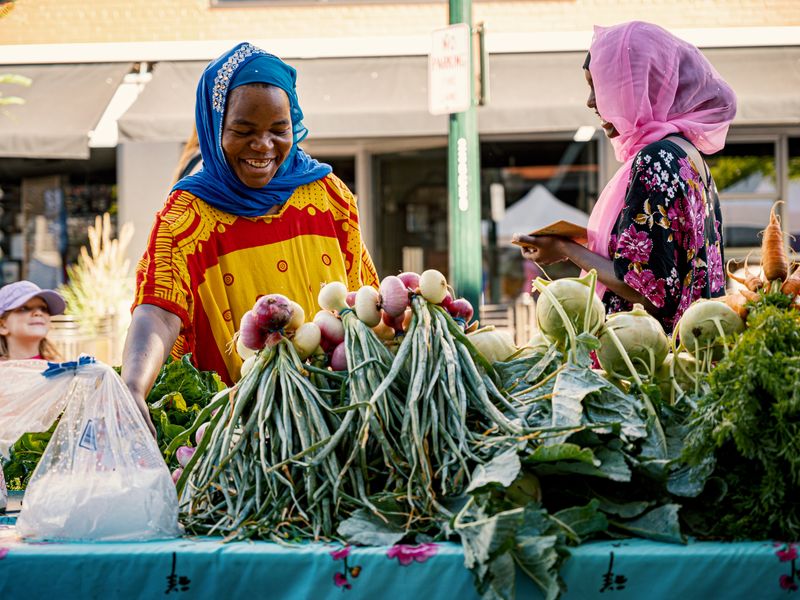
Local events are an easy way to meet neighbours
Yet many people only hear about events after they've happened. Information is scattered across websites, social media groups, posters, and word of mouth. This guide shows you where to look, how to choose events that suit you, and how to make the most of them, whether you've just moved to a new area or simply want to get more involved in your own.
Step 1: Start With Official and Local Sources
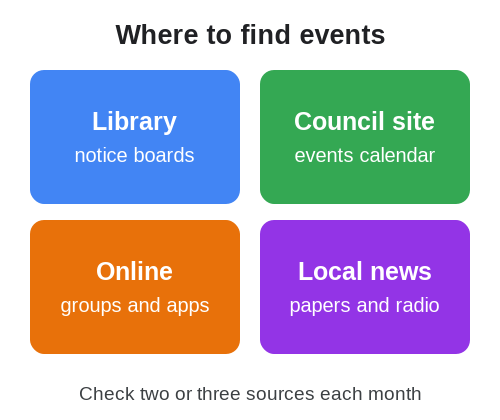
Check two or three sources each month
- Council or municipality website: most local authorities publish an events calendar covering parks, festivals, markets, consultations, and seasonal celebrations.
- Public libraries: libraries host talks, children's story times, book clubs, digital skills sessions, and exhibitions, and their notice boards list many other local activities.
- Community centres: check their timetable for classes, clubs, coffee mornings, and social events.
- Tourist information offices: useful even for residents, as they list festivals, markets, and cultural events.
- Schools, colleges, and universities: they often open performances, fairs, lectures, and sports events to the public.
Step 2: Search Online the Smart Way
Online tools make it easy to discover events, as long as you know how to search.
- Search engines and maps: try searches such as "events this weekend" plus your town or neighbourhood name. Map apps often show events at nearby venues.
- Event listing platforms: ticketing and meet-up websites and apps let you filter by date, distance, price, and interest.
- Social media: join local community groups and follow pages for your neighbourhood, venues, and organisations you like. Many events are only announced there.
- Neighbourhood apps: local networking apps share street parties, garage sales, and residents' meetings.
- Newsletters: sign up for email updates from your council, library, museums, and favourite venues.
Turn on reminders
When you find an event you like, add it to your phone calendar straight away with a reminder a day before. It's the easiest way to avoid missing out.
Step 3: Don't Forget Offline Sources

Libraries host and advertise many local events
- Notice boards: in supermarkets, cafés, places of worship, health centres, and libraries.
- Local newspapers and radio: they often have "what's on" sections and interviews with organisers.
- Posters and flyers: look out on lamp posts, shop windows, and community halls.
- Word of mouth: ask neighbours, colleagues, shopkeepers, and other parents what's coming up. People love to share their favourite local traditions.
- Places of worship and cultural associations: many host open festivals, meals, and celebrations welcoming everyone.
Step 4: Choose Events That Suit You
With so many options, think about what you want to get out of an event:
- Meeting people: choose interactive events such as quiz nights, workshops, volunteer days, or clubs, rather than performances where you simply watch.
- Family fun: look for markets, festivals, library sessions, and park events listed as family-friendly.
- Learning: talks, classes, and museum events help you build new skills. See our guide on registering for workshops.
- Giving back: clean-ups, charity runs, and fundraisers combine fun with doing good.
- Practical details: check the cost, accessibility, parking or transport, and whether you need to book.
Read event descriptions carefully and check the organiser's details. Genuine community events usually list a clear venue, organiser, and contact information.
Step 5: Go and Make the Most of It
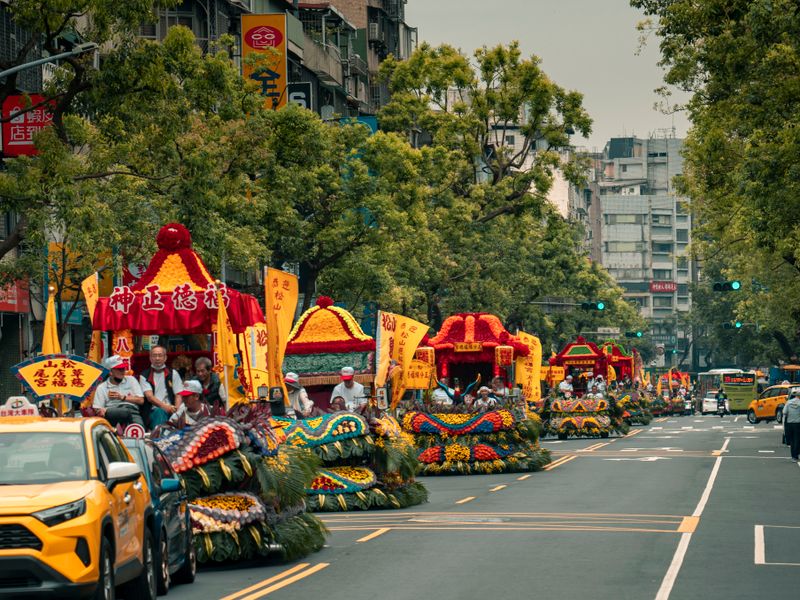
A colourful street parade during a local festival
- Arrive early: it's easier to start conversations before the crowds arrive.
- Bring a friend the first time if that makes you more comfortable.
- Talk to organisers and stallholders: they're usually happy to chat and can tell you about other events.
- Offer to help: volunteering at an event is the quickest way to feel part of it.
- Follow up: join the group's mailing list or social page, and go again. Familiar faces become friends over time.
Watch out for fake event listings
Be cautious about events promoted only through unfamiliar social media pages, especially if they ask for upfront payment by bank transfer. Buy tickets through the official venue, organiser, or a well-known ticketing platform.
Can't Find What You Want? Start Something
If your area lacks the kind of events you'd enjoy, you can create them. Small gatherings, such as a monthly walking group, a book swap, a games night at a café, or a street picnic, are easy to organise. Ask your council about rules for public spaces, permits for road closures, and any small community grants available.
Share your event through the same channels described above: council calendars, library notice boards, local social media groups, and word of mouth. Start small, be welcoming, and you may find that others were waiting for exactly the same thing.
Community events also connect you to local services and support. Our guide on getting local services explains how to find help with everything from healthcare to housing.
Seasonal events are worth planning around. Spring and summer usually bring outdoor markets, fairs, sports days, and open-air concerts, while autumn and winter bring harvest festivals, cultural and religious celebrations, holiday markets, and indoor talks. Many towns repeat the same events each year, so once you discover a favourite, note the usual month and check for the new date well in advance. Keeping a simple list of annual local events on your phone means you will never again find out about the best ones a week too late, and it makes it easy to invite friends and family along.
Final Thoughts
To find community events, start with your council's calendar, the library, and community centres, then search online and join local groups and newsletters. Keep an eye on notice boards, local news, and word of mouth. Choose events that match your goals, check the practical details, add them to your calendar, and go with an open mind. Keep returning, offer to help, and if something's missing, start it yourself. That's how neighbourhoods become communities.